






Under the patronage of His Highness Sheikh Mohamed bin Zayed Al Nahyan, President of the UAE, in his capacity as Ruler of Abu Dhabi
تحت رعاية صاحب السمو الشيخ محمد بن زايد آل نهيان ، رئيس الدولة "حفظه الله"، بصفته حاكماً لإمارة أبوظبي
Follow expert perspectives on how geopolitical developments are reshaping energy markets, supply security and global energy flows.
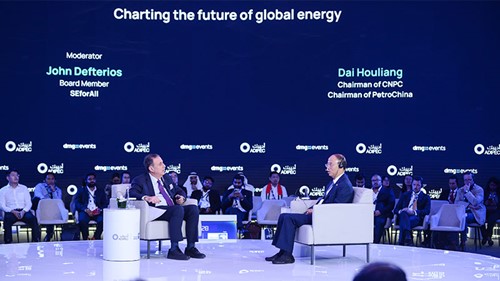

ADIPEC 2026 will welcome its strongest-ever participation from Asia, with 353 companies and six country pavilions – China, India, Japan, Malaysia, Singapore and South Korea – taking part in this year’s event.

Japan has so far weathered the Middle East oil supply crisis remarkably well. But as the Iran war drags on with no durable resolution in sight, Tokyo is having to make some difficult choices and rethink how to secure its energy supplies.

Partnerships can help balance the need to reduce emissions, secure energy supplies and ensure affordable prices, says IPIECA chief executive officer Brian Sullivan.
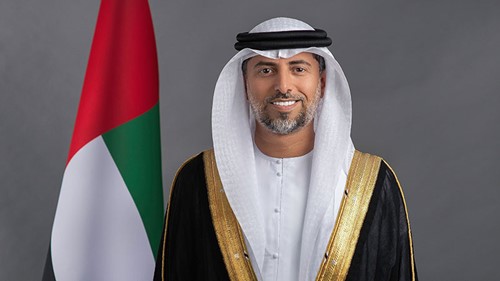
The UAE’s decision to leave OPEC and OPEC+ reflects the need for greater flexibility in a world where demand is evolving, supply routes face increasing vulnerabilities and energy systems must respond more rapidly to changing conditions.
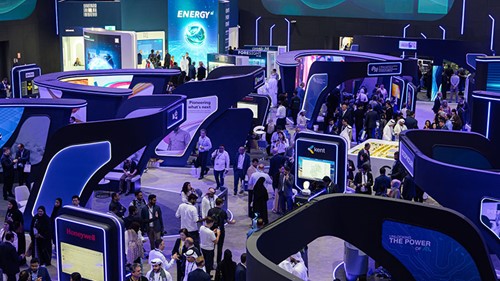
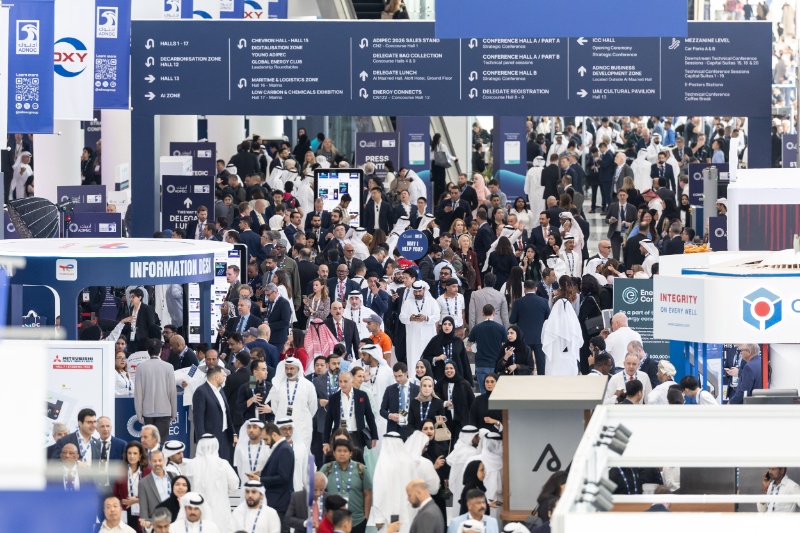
As the world's largest energy conference and exhibition, and drawing on the UAE’s position as a reliable energy supplier, long-term investment partner and global hub for technology and industry, ADIPEC 2026 will bring together policymakers, producers, investors, technology leaders and customers to turn shared priorities into practical action.
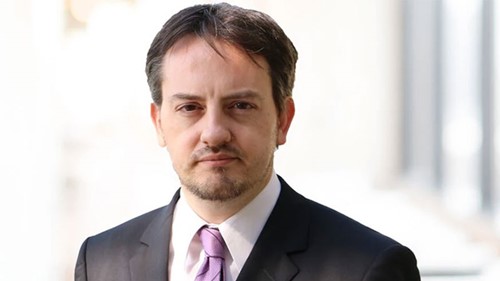
“War is too important to be left to the generals,” said Georges Clemenceau, France’s victorious prime minister in the First World War. Energy executives keenly anticipate ADIPEC in Abu Dhabi at the start of November.

ADIPEC 2026, taking place from 2-5 November in Abu Dhabi, will focus on turning energy opportunity into practical delivery, with its programme built around the decisions, capital and partnerships needed to strengthen global energy systems.

ADIPEC Technical Conferences received more than 7,200 abstract submissions from around the world, reflecting the scale of innovation taking place across the energy sector. Yet the significance of the programme is not measured simply by the volume of submissions. Its real value lies in the ideas that ultimately reach the stage and, more importantly, what happens when those ideas are put into practice.

Middle Eastern oil exporters and their biggest Asian customers cannot afford to emerge from the Hormuz crisis simply hoping it will not happen again. The months-long disruption has made a compelling case for building a much deeper network of defences against the next major supply shock.

Geopolitical tension is testing supply routes, markets are tightening and infrastructure vulnerabilities are being exposed. Recent disruptions have removed an estimated 11 million barrels per day of crude production and affected around 20% of global liquefied natural gas (LNG) supply, underlining the scale of the system’s exposure.

The international crisis in the Strait of Hormuz and tensions in the Red Sea are putting the industrialised world’s energy systems under severe strain, with mixed results. These geostrategic bottlenecks have a profound impact on a significant proportion of the planet’s fossil fuel resources.

Africa is home to nearly 18% of the world’s population but accounts for less than 6% of global energy use. This is despite the discovery of more than 5,000 billion cubic metres of natural gas resources in the continent, resources that, crucially, have not yet been approved for development. This paradox is at the core of Africa’s energy sovereignty challenge.

Emerging markets don't just participate in global growth. They generate it. New consumer markets absorb the products that keep factories running in Stuttgart and Shenzhen, fast-moving industries deliver returns that mature economies struggle to match, and local entrepreneurs build solutions that redefine how finance, logistics and healthcare operate at scale.
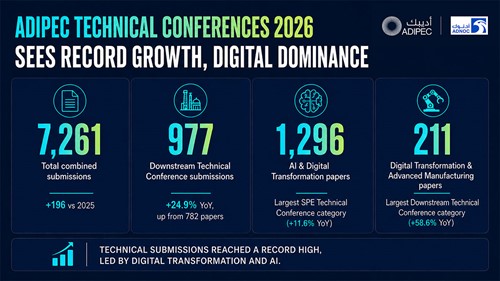
The ADIPEC 2026 Technical Conferences, hosted by ADNOC, have attracted a combined record of 7,261 paper submissions from energy professionals and researchers worldwide, as the global technical community responds in depth and at scale to rising demand, growing energy security pressures and rapid technological change.
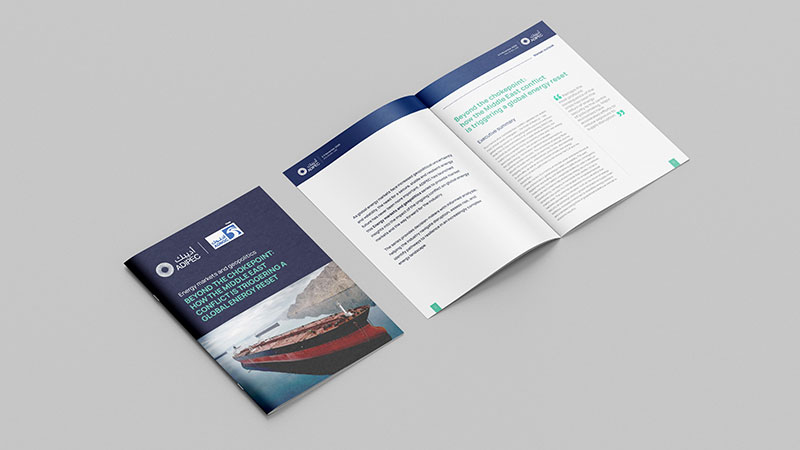
In this outlook report, explore how four months of geopolitical disruption have reshaped energy markets, accelerated policy change and reinforced resilience, diversification and energy addition as strategic priorities.
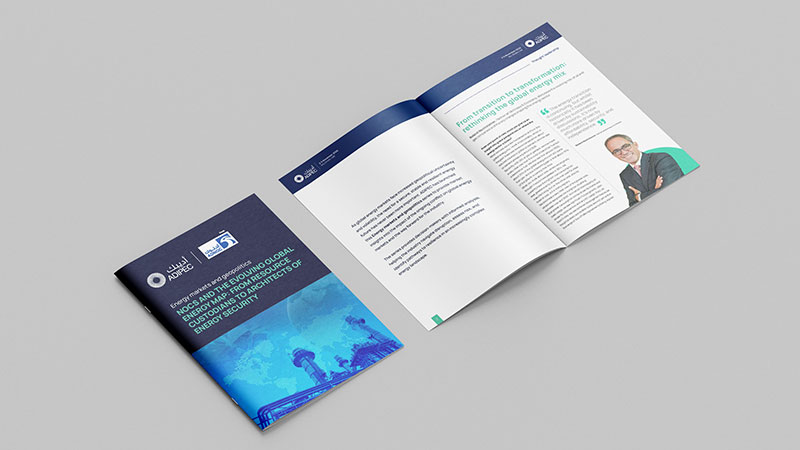
In this outlook report, explore how NOCs are becoming architects of integrated energy systems, balancing energy security, affordability and sustainability while investing in the infrastructure, technologies and partnerships shaping the future energy map.
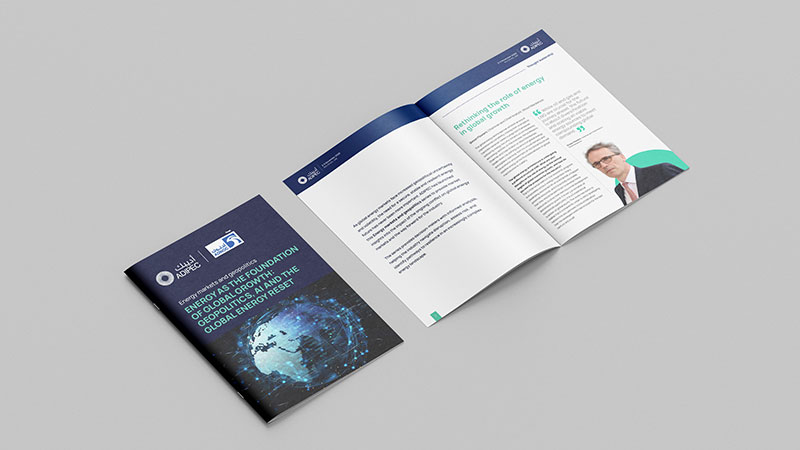
In this outlook report, explore why energy security is becoming increasingly central to economic growth, technological leadership and national resilience.
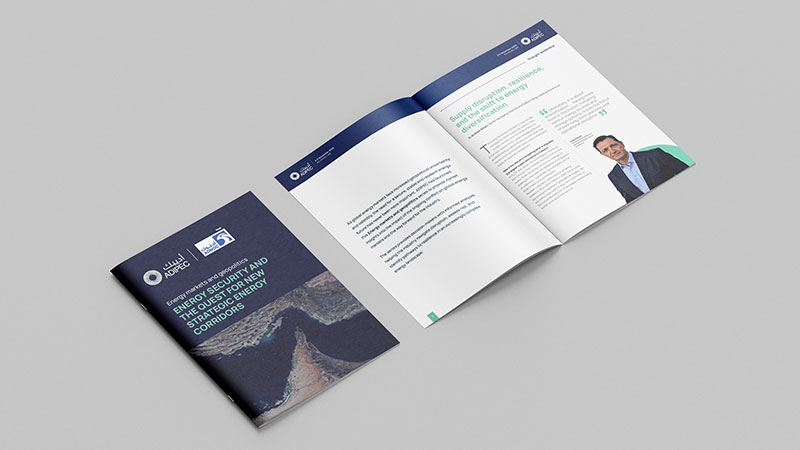
This outlook report features insights from Andrew Smart, Senior Managing Director and EMEA Energy Lead at Accenture, and examines how route diversification and corridor resilience are becoming central to maintaining export continuity under disruption.
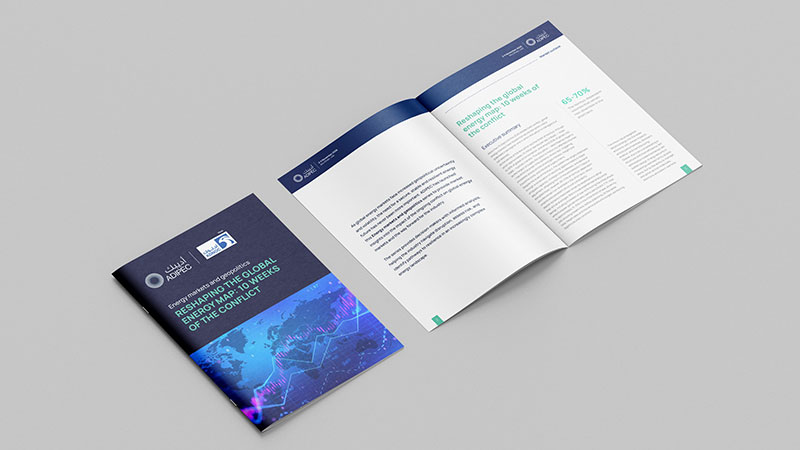
This outlook report explores how, 10 weeks into the conflict, global energy markets have shifted from acute shock to a more stabilised but still fragile operating environment. It examines the market outlook for oil, LNG and shipping, including price volatility, rerouting pressures and freight costs, while also exploring how disruption has spread beyond energy into petrochemicals, fertilisers, aviation and manufacturing.
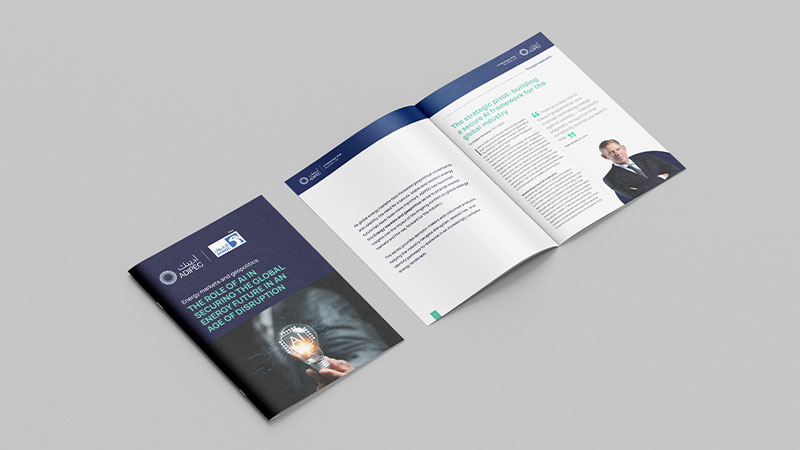
Developed with Caspar Herzberg, CEO, AVEVA, this outlook report explores how artificial intelligence is emerging as a foundational layer of energy security in an environment of persistent physical and digital disruption.

In this podcast, as part of ADIPEC’s Energy and Geopolitics series, Grant Dougans, Partner at Bain & Company, explores how geopolitical tensions and market volatility are elevating energy infrastructure as a strategic asset. He examines why resilience has become critical to energy security and highlights practical strategies to strengthen infrastructure and supply chains in an increasingly fragmented world.

In this podcast, as part of ADIPEC’s Energy and Geopolitics series, industry leaders examine how geopolitical volatility is reshaping global energy investment. From upstream projects, oil markets and spare capacity to nuclear, hydrogen and renewables, the discussion highlights why resilience now depends on investment across all energy systems rather than replacing one with another.
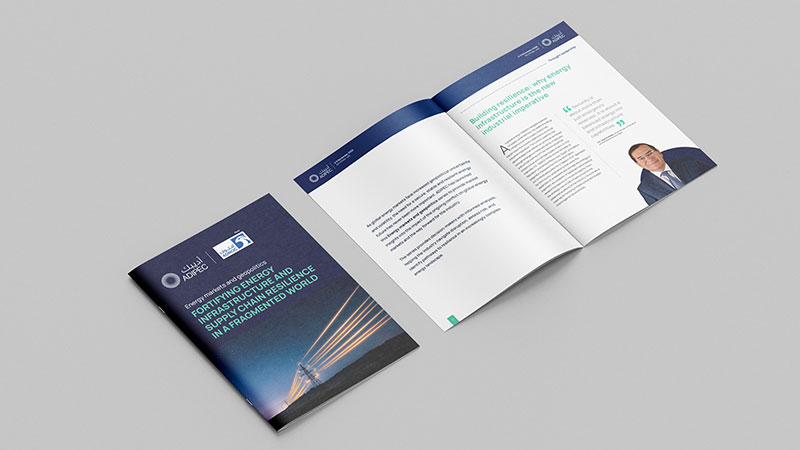
Developed in conjunction with H.E. Tarek El-Molla, former Minister of Petroleum and Mineral Resources of the Arab Republic of Egypt, this outlook report explores how infrastructure and supply chains are emerging as strategic industrial priorities in a more fragmented global energy system.
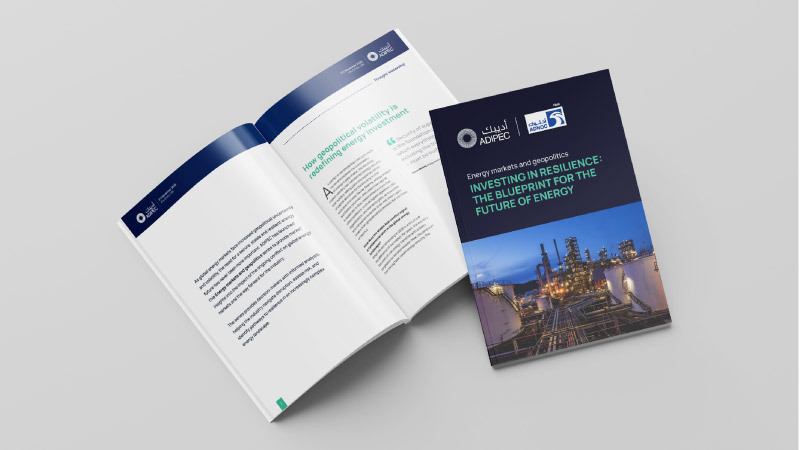
Developed with Gaurav Sharma, energy analyst and Forbes columnist, this outlook report explores how geopolitical volatility is reshaping energy investment priorities, driving diversification, resilience and supply security.

In this podcast, Jamie Webster, Partner and Director, Center for Energy Impact at Boston Consulting Group, examines how the Middle East conflict is reshaping global energy dynamics and redefining energy security priorities.
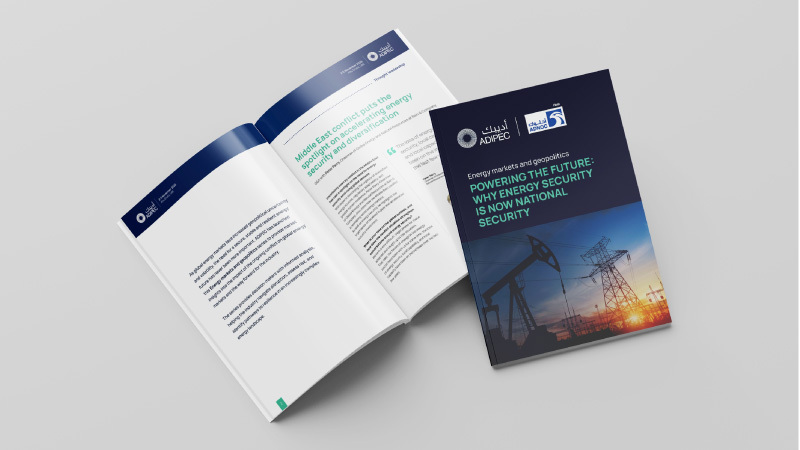
In this outlook report, developed with Peter Parry, Chairman of Global Energy and Natural Resources at Bain & Company, explore how tensions in the Middle East have put the spotlight on energy addition and system resilience.
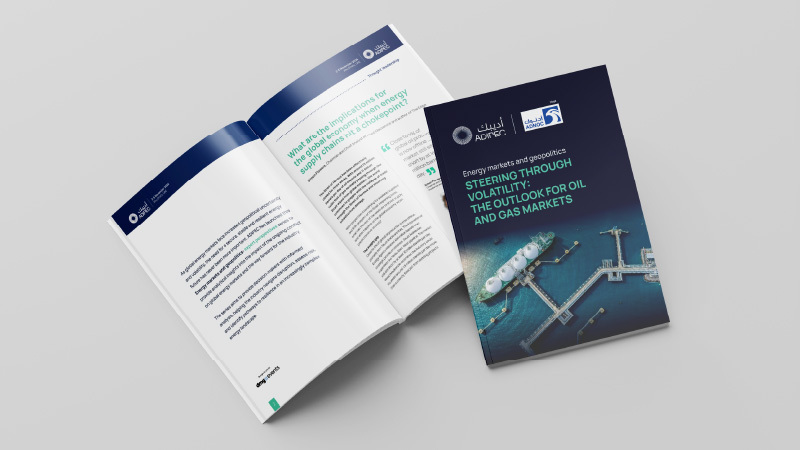
Developed with Simon Flowers, Chairman and Chief Analyst of Wood Mackenzie, this outlook report explores how supply disruptions, shifting oil and LNG dynamics and infrastructure diversification efforts are influencing market stability and long-term energy security.

Three leading experts assess how governments and producers are responding to disruption through alternative export corridors, evolving investment signals and renewed focus on strengthening resilience across hydrocarbons and supporting infrastructure.

Simon Flowers, Chairman and Chief Analyst of Wood Mackenzie, Joseph McMonigle, President & CEO of the Global Center for Energy Analysis and former Secretary General of IEF, and Gaurav Sharma, energy analyst and Energy Connects columnist share their perspectives.

As countries look beyond traditional supply routes and single-point dependencies, Alex Tancock, CEO of InterContinental Energy, explains how green hydrogen and green ammonia could strengthen supply security through more geographically distributed production and export pathways.

In an exclusive interview, Anne-Sophie Corbeau, Global Research Scholar at the Centre on Global Energy Policy (CGEP) at Columbia University, discusses the industry’s future and its resilience to the ongoing situation.
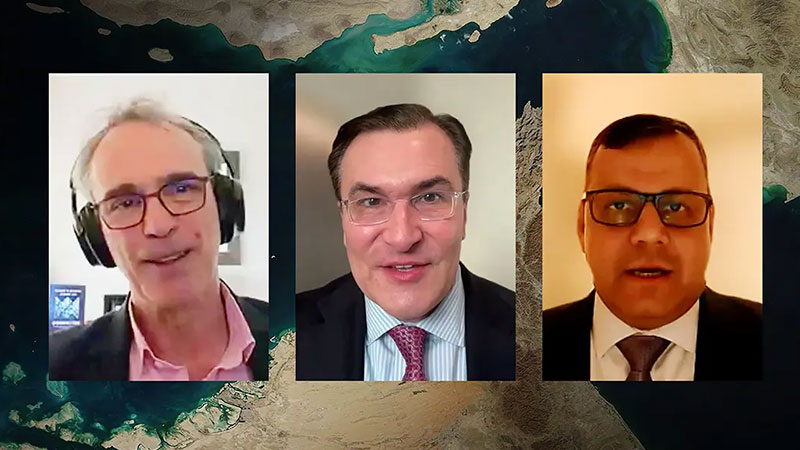
Simon Flowers, Chairman and Chief Analyst of Wood Mackenzie, Joseph McMonigle, President & CEO of the Global Center for Energy Analysis and former Secretary General of IEF, and Gaurav Sharma, energy analyst and Energy Connects columnist share their perspectives.

Dr Carole Nakhle, Founder and CEO of Crystol Energy and Secretary General of the Arab Energy Club, discusses the implications of the current geopolitical tensions.
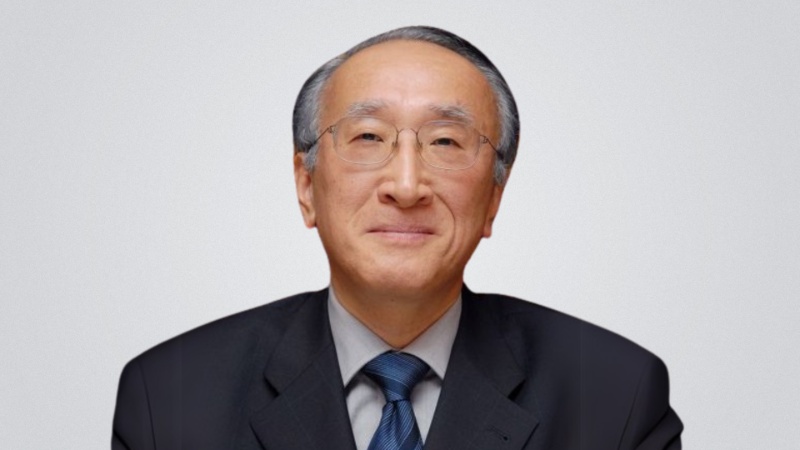
Nobuo Tanaka, Executive Director Emeritus of the International Energy Agency, examines past oil shocks, the risk of supply disruption and inflationary pressure, and the tools available to manage market upheaval.

The global natural gas and LNG market has felt the effects of the Middle East conflict between Israel, the US and Iran. Robin Mills, CEO of Qamar Energy, examines the sector’s immediate and long-term prospects globally.
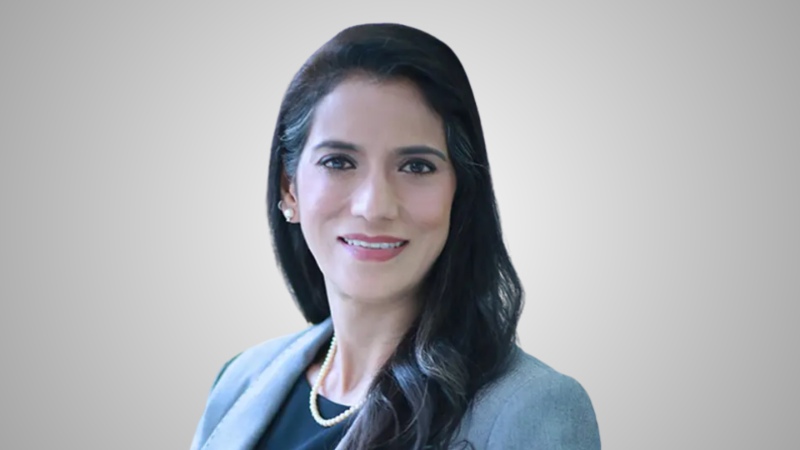
With the Iran conflict disrupting supply and causing price volatility, Vandana Hari, Founder and CEO of Vanda Insights, explains the implications for the oil market, and her optimistic forecast.




dmg events is a global exhibitions and conferences organiser, with a portfolio of over 80 events focusing on diverse industries, from energy, construction and transport to design and hospitality. More than 425,000 visitors attend our events annually, creating opportunities to network, do business, overcome challenges and discover emerging industry opportunities.
Member of