



Apply innovation to real operating challenges
Learn how downstream operators and technology specialists are using AI, automation, advanced analytics, advanced manufacturing and digital tools to solve practical challenges across assets, plants and supply chains.

Advance circularity and lower-carbon operations
Examine applied solutions across circular economy, resource efficiency, alternative fuels, hydrogen, renewable energy integration, CCUS, sustainability and decarbonisation in downstream operations.

Benchmark with the global downstream technical community
Connect with engineers, operators, researchers, project teams and technical leaders to exchange knowledge, compare approaches and identify solutions that can improve operational and project outcomes.

Strengthen refining and petrochemical performance
Explore technical approaches that improve reliability, efficiency, asset performance and process optimisation across refining, petrochemicals, LNG, gas processing and integrated downstream operations.
 Back
Back
Explore the 2026 Downstream Technical Programme categories
Recognising technical excellence in downstream innovation
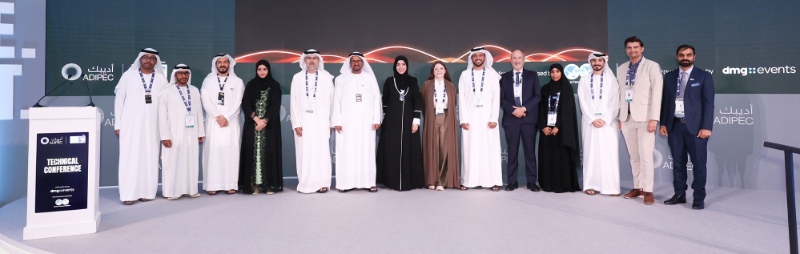
The ADIPEC Technical Excellence Awards celebrate outstanding technical contributions that demonstrate research quality, applied innovation and measurable industry impact.


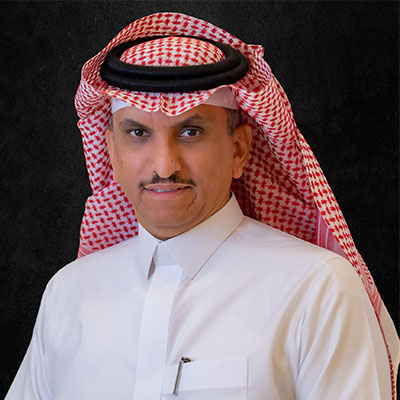

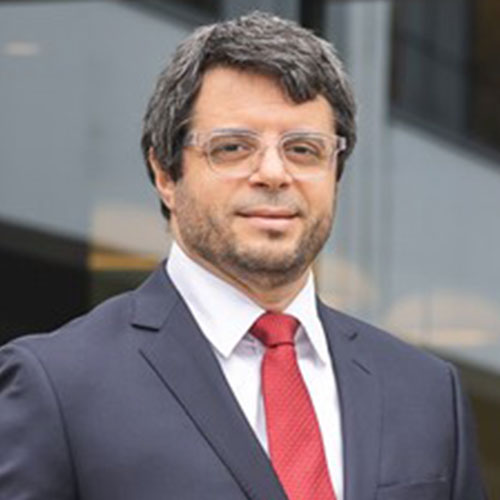

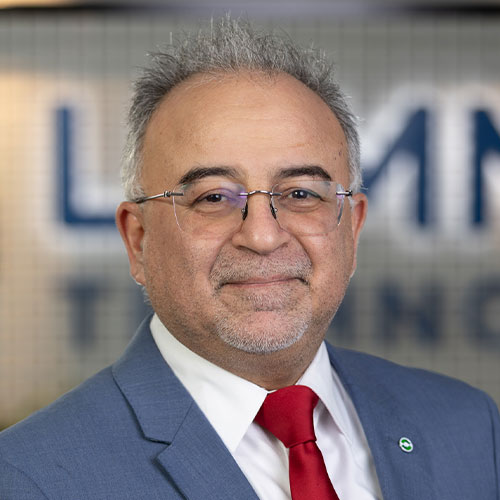



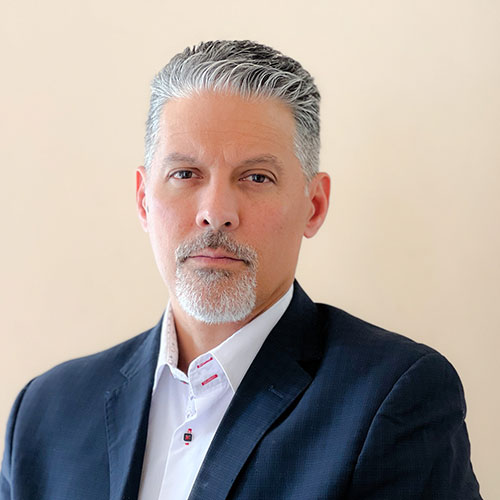


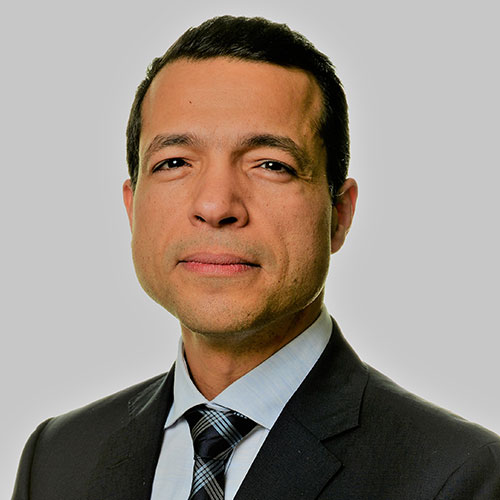

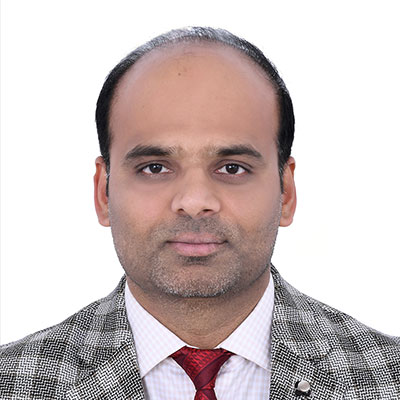


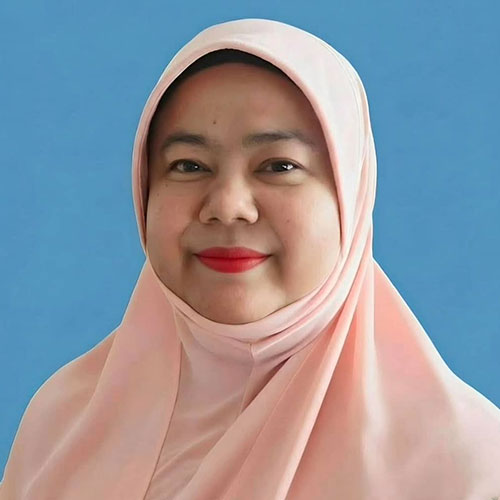
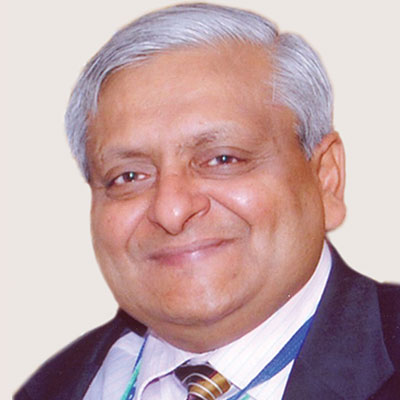
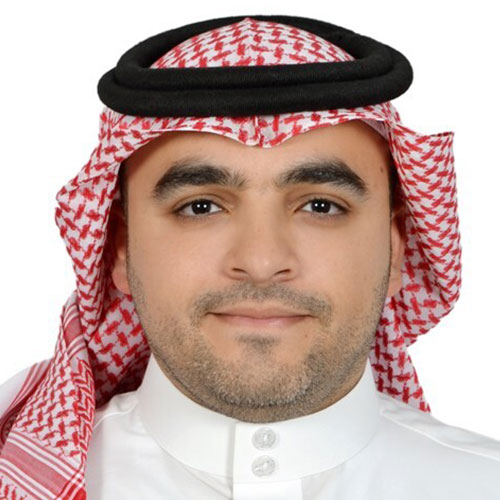




“Meeting rising global energy demand requires more than ambition. It demands resilient, reliable and increasingly intelligent energy systems, and the ability to deploy proven solutions at speed and scale across the value chain. The ADIPEC Technical Conferences bring together the industry’s leading engineers, operators and technology experts to turn innovation into action, advancing the practical solutions that strengthen performance, reliability and long-term energy security.”

Book your delegate pass
Explore ADIPEC’s 13 conference programmes, spanning the key themes shaping energy security, resilience and long-term growth, with over 1,800 speakers across the conferences.
Frequently asked questions
What is the Downstream Technical Programme?
The ADIPEC Downstream Technical Programme brings together technical experts from refining, petrochemicals, LNG, gas processing and supply chains to explore solutions that improve downstream performance, resilience and efficiency.
Who should attend the Downstream Technical Programme?
The programme is designed for engineers, technologists and project leads in refining, processing, operations, chemicals and related downstream functions seeking actionable insight and innovation.
What themes are covered in the programme?
Themes include refining, petrochemicals, LNG and gas processing, project execution, digital transformation, circularity, alternative fuels, hydrogen, CCUS, sustainability and decarbonisation.
How is this different from the SPE Technical Programme?
The Downstream Technical Programme focuses on refining, petrochemicals, LNG, gas processing and downstream operations. The SPE Technical Conference focuses on upstream engineering, exploration, drilling, production and field development.
City host

Venue partner
Official local media partner
Official travel partner
Official broadcast partner
International Arabic news partner

Official English News partner
Official radio station
Arabic Business News partner
Official media partner
Technical Conference organiser
ADIPEC brought to you by