






Upstream sessions
Abu Dhabi as the destination for international energy investment: partnering across oil and gas
Abu Dhabi has become one of the most attractive destinations in the world for international energy investment, pairing some of the lowest-cost and lowest-carbon barrels available with world-scale o......
Learn more
Upstream exploration strategy: balancing frontier opportunities and advantaged basins
Securing the next generation of upstream resources requires a careful balance between replacing natural field decline and pursuing opportunities that can deliver sustainable, commercially viable gr......
Learn more
Upstream portfolio resilience: designing for political and market stress
This year's geopolitical disruption has reinforced that competitive resources alone do not guarantee competitive portfolios, bringing greater scrutiny to how operators position and strengthen asset......
Learn more
Upstream consolidation: competitive advantage and the limits of scale
A new wave of consolidation is concentrating ownership across some of the world's most competitive upstream basins. As transactions reshape the competitive landscape, attention is turning to whethe......
Learn more
Inside the upstream boardroom: the decisions behind meeting tomorrow's energy demand
Supplying the energy the world will require over the coming decades will depend on the strategic choices made by upstream leaders today. Every decision influences an organisation's ability to remai......
Learn more
Time-to-first-oil: compressing development cycles under constraints
As energy security concerns intensify and the urgency to bring new supply online grows, permitting bottlenecks, local content rules and regulatory divergence across jurisdictions continue to extend......
Learn more
Upstream gas strategy: aligning reserve development with market growth
As electricity demand expands across advanced and emerging economies and power systems integrate more intermittent renewable capacity, gas-fired generation is reinforcing its role as the flexible, ......
Learn more
Restructuring upstream partnerships: aligning capability, control and capital for project delivery
Large upstream developments depend on alliances between national oil companies and international operators capable of combining resource ownership with technical execution. These partnerships are b......
Learn more
Short-cycle supply under pressure: the evolving role of unconventional onshore
Unconventional onshore production transformed global oil supply by introducing a short-cycle system capable of responding rapidly to market signals. After more than a decade of growth, the sector i......
Learn more
Deepwater in the supply mix: can long-cycle projects sustain competitive breakevens?
Deepwater resources account for some of the largest undeveloped oil and gas reserves, offering scale and long production life that can anchor upstream portfolios for decades. Offshore lease sales in t......
Learn more
EPC and OFS delivery super-cycle: managing execution risk as capacity tightens
A growing pipeline of upstream developments is placing mounting pressure on engineering, procurement and construction (EPC) contractors and oilfield service (OFS) providers. With around $40 billion......
Learn more

Build more resilient upstream portfolios
Understand how upstream leaders are reshaping portfolios to manage geopolitical exposure, basin concentration and long-term competitiveness.

Deliver projects with greater certainty
Learn how projects are being executed despite constraints on capacity, supply chains and industrial resources.

Focus on the right developments
See how operators are selecting and advancing projects across basins with different risks, timelines and infrastructure realities.

Track where upstream supply is heading
Understand how supply mix, resource priorities and development strategies are shifting across global upstream markets.
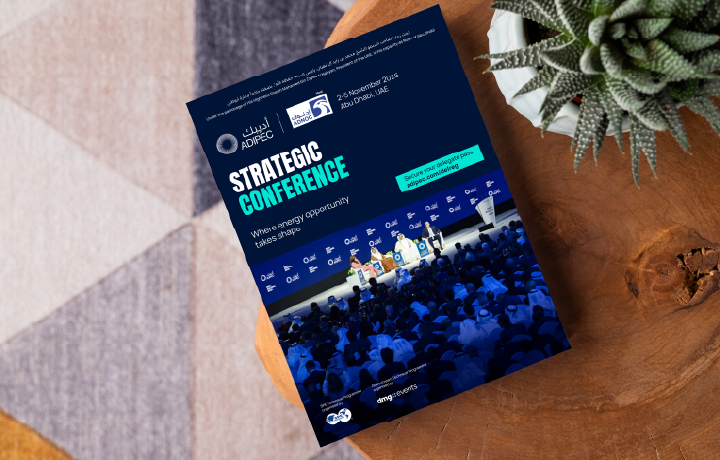
Strategic Conference programme is now live
The ADIPEC Strategic Conference brings together ministers, CEOs, investors, policymakers and technology leaders across 11 programmes to shape the decisions, investments and innovations driving energy security, growth and competitiveness.
Strategic Conference programmes
Energy Security & Resilience
Policy, Regulation & Governance
Finance & Investment
AI, Digital & Technology
Upstream
Natural Gas & LNG
Downstream, Chemicals & Industrial Value Chains
Grids, Infrastructure & Industrial Execution
Clean Power, Molecules & Carbon Management
Maritime & Logistics
Workforce & Skills
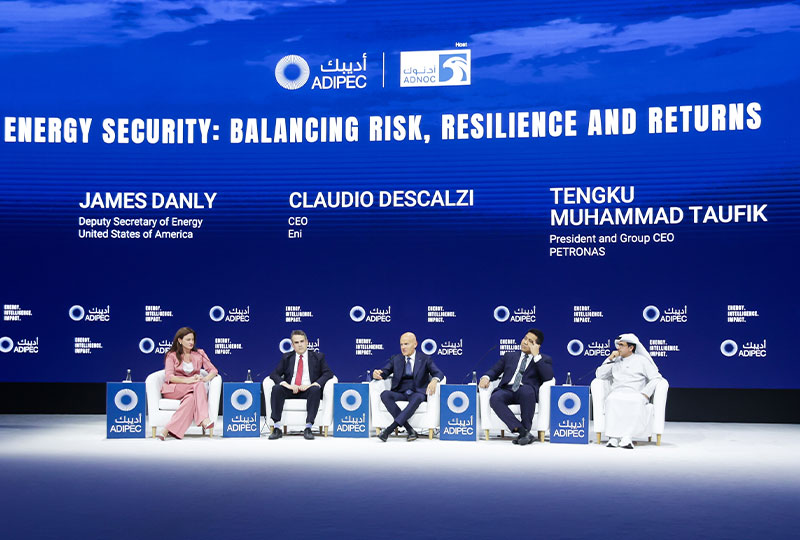
Energy Security & Resilience
Explore how countries and companies are strengthening their ability to withstand disruption while maintaining affordability, reliability and competitiveness.
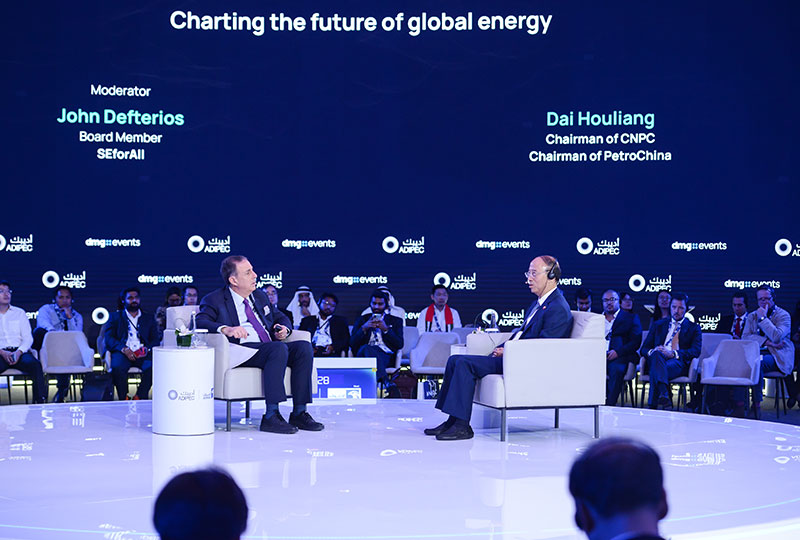
Policy, Regulation & Governance
Understand how policy and regulation can unlock investment, reduce risk and accelerate delivery across energy markets.
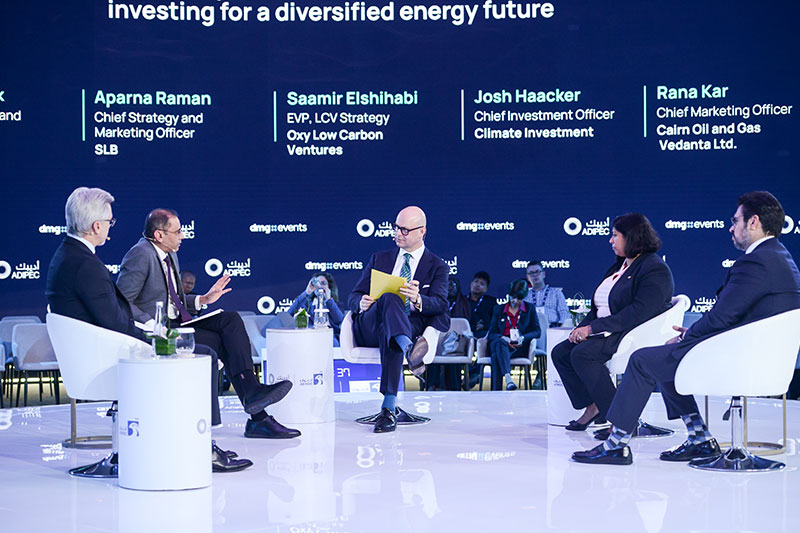
Finance & Investment
Explore how capital can be mobilised to deliver short-term resiliency while securing long-term growth.
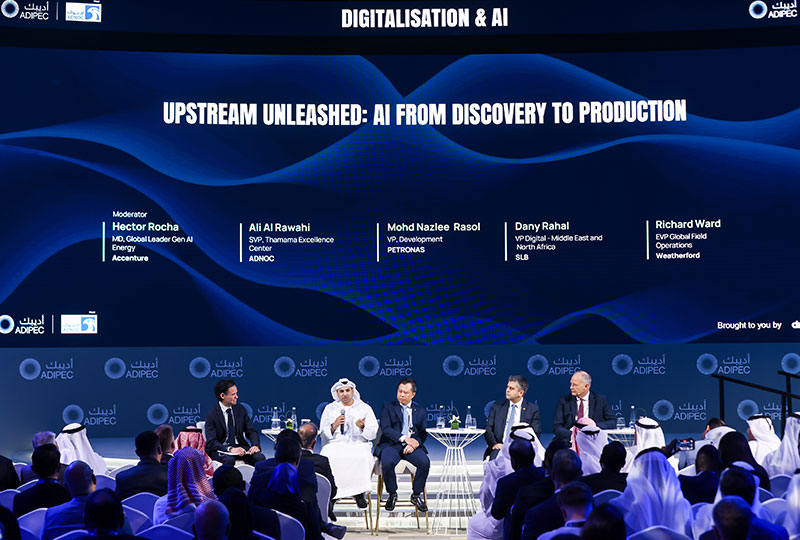
AI, Digital & Technology
Discover how AI and digital technologies are driving efficiency, resilience, security and competitive advantage across energy operations
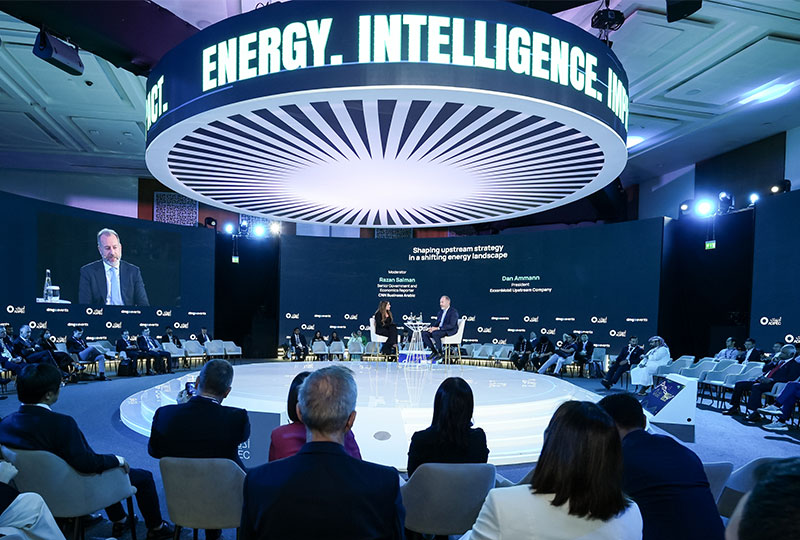
Upstream
Natural Gas & LNG
Delve into how natural gas and LNG markets are adjusting to shifting demand, new buyers and disrupted trade flows.
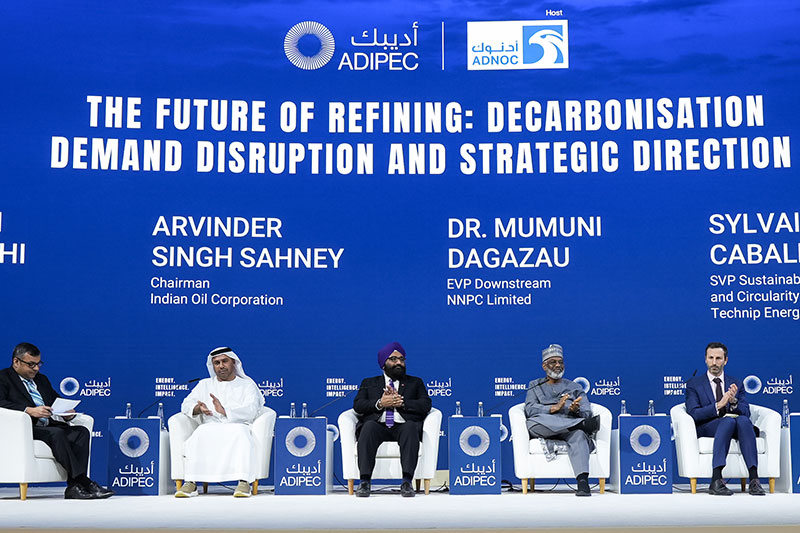
Downstream, Chemicals & Industrial Value Chains
Explore how downstream value chains are competing across markets, securing feedstocks and strengthening integration.
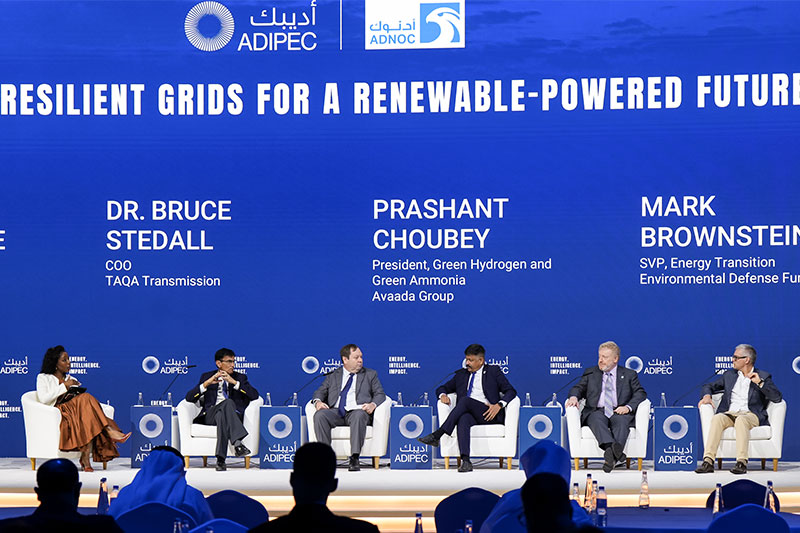
Grids, Infrastructure & Industrial Execution
Understand how grids, infrastructure and execution capacity are becoming decisive to growth, reliability and delivery at scale
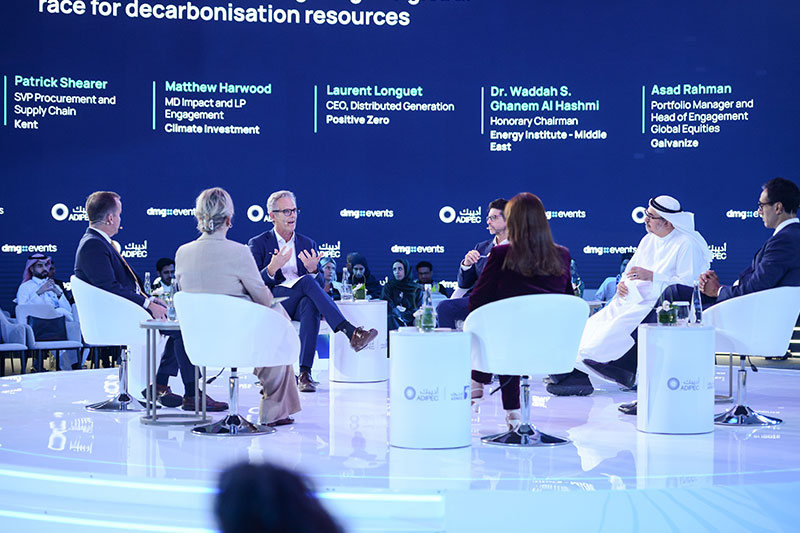
Clean Power, Molecules & Carbon Management
Explore how low-carbon power, cleaner molecules and carbon management are moving into commercially viable delivery at scale
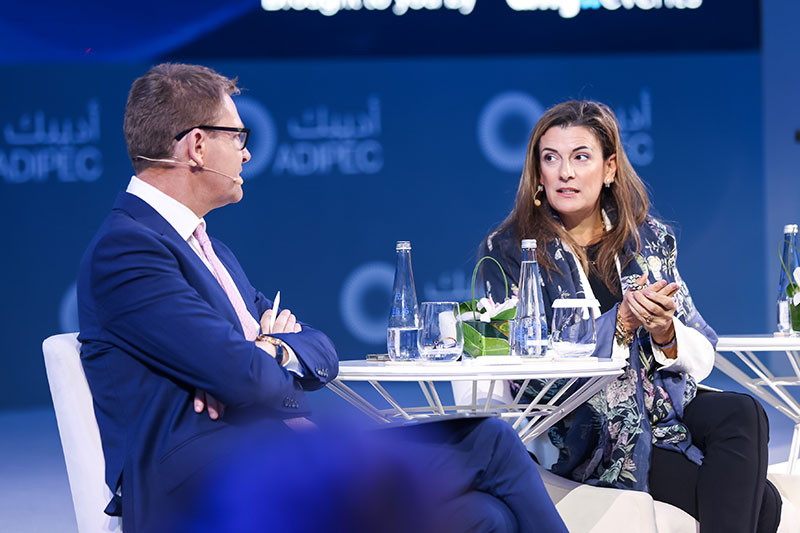
Maritime & Logistics
Discover how shipping, ports and logistics are strengthening trade resilience, route security and infrastructure competitiveness
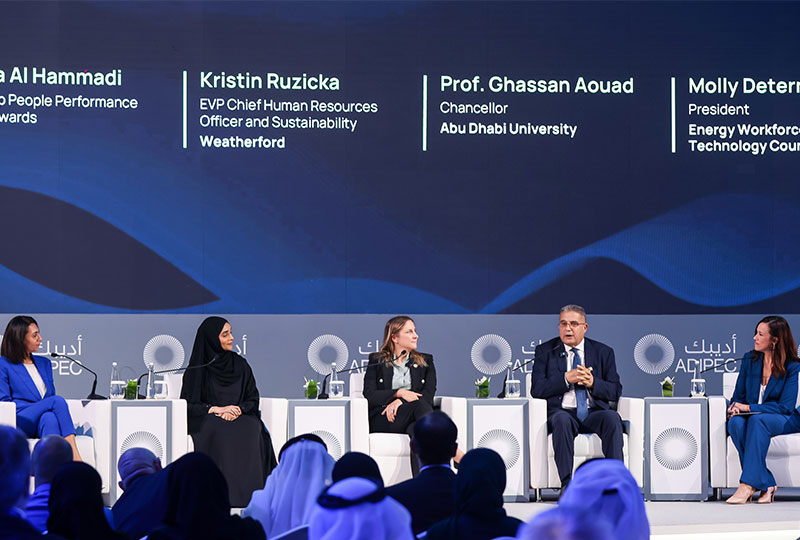
Workforce & Skills
Learn how energy leaders are tackling workforce constraints, critical skills gaps and leadership succession to sustain performance
Frequently asked questions
What is the focus of the Upstream programme?
It looks at how upstream leaders are reshaping portfolios and moving projects forward while maintaining competitive production under changing geopolitical and delivery conditions.
Who should attend?
Senior decision-makers involved in upstream development and project delivery, including operators, investors and those responsible for how projects are planned and brought forward.
What challenges does the programme address?
It explores how geopolitical pressure and tighter delivery conditions are affecting where projects move forward and how supply expectations are managed.
What topics will be covered?
The programme centres on how portfolios are structured, how partnerships are formed and how development decisions are made and delivered under real-world constraints.
Why is this programme important now?
Project timelines are becoming harder to manage and supply expectations are shifting, making decisions on where to invest and what to develop more consequential for maintaining competitive production.



