







Energy Security & Resilience sessions
The power shift: strengthening energy security in a changing world
Geopolitical realignment, shifting trade flows, rising demand, technological disruption and intensifying competition for energy resources are fundamentally changing how energy is produced, traded a......
Learn more
Energy security in a fragmented world: designing systems that can absorb disruption
Geopolitics, AI and rising energy demand are reshaping the global business landscape. For today's energy leaders, securing supply is no longer enough, it is about building resilient portfolios, unl......
Learn more
Global energy under pressure: competitiveness and global supply
The future of global energy will be defined by how the industry restores balance in a disrupted world, aligning supply and demand, security and affordability, investment and competitiveness. As geo......
Learn more
Energy geopolitics in the transactional world of 2026
Energy security has been redefined. Countries are no longer optimising for the lowest-cost supply, but are paying a premium for secure access, reliable corridors and political control over source. ......
Learn more
Energy on edge: securing global flows, strategic trade routes and resilient supply chains
Geopolitical disruption, maritime chokepoint risks and shifting trade routes are exposing the fragility of global energy flows. Producers, traders and logistics providers must now look beyond suppl......
Learn more
Stress-testing resilience: reserves, redundancy and real-time recovery
Security of supply is not just about access to molecules or megawatts, but how systems perform under stress and recover from disruption. Events in 2026 showed that even short interruptions across c......
Learn more
Digital threats, physical consequences: cyber security across the energy system
Cyber risk has become a frontline energy-security issue as attacks increasingly target operational technology and critical infrastructure. At the same time, connecting legacy industrial systems to ......
Learn more
Turning disruption into advantage: resources, power and global growth
Disruption does not affect every market or company equally. Across hydrocarbons, commodities, renewables and advanced technologies, companies are redefining their strategies to capture growth in a ......
Learn more
Leading through volatility: the CEO agenda for resilience and returns
For today’s CEOs, transformation is no longer a standalone initiative, it is a fundamental rethink of business models, operating models and organisational priorities. Leaders are reshaping portfoli......
Learn more
Storing power, shaping power: batteries, minerals and energy geopolitics
Energy storage has evolved from a technical enabler into a strategic asset. As electrification accelerates and renewable generation expands, batteries and long-duration storage are becoming critical t......
Learn more
Energy 5.0: building intelligent, resilient and sustainable industries
AI, automation, connected equipment and real-time data are enabling companies to improve productivity, anticipate disruption and reduce the energy and emissions intensity of industrial activity. Bu......
Learn more
Powering what comes next: energy for a changing world
A more fragmented global landscape is reshaping how countries think about growth, competitiveness, and security. At the same time, electricity demand is accelerating, driven by industrial growth, e......
Learn more
Beyond collaboration: redefining energy partnerships or cross sector collaboration
In a fragmented global economy, the strongest energy partnerships are those that connect supply with infrastructure, power systems, industrial development, financing and long-term market access. Pr......
Learn more
Energy security and resilience debate: renewables, nuclear and gas
Rising demand, grid pressure and geopolitical disruption are forcing countries to combine renewables, nuclear, gas, storage and smarter grids. But how do these technologies perform when systems com......
Learn more

Navigate a more uncertain world
Understand how governments, producers and operators are responding to geopolitical tension, regional instability and infrastructure risk to safeguard energy security and economic growth.

Protect critical energy systems
Explore how infrastructure operators, utilities and producers are strengthening resilience across supply chains, networks and critical assets to withstand disruption and recover faster.

Hear from those managing real-world risk
Engage with policymakers, producers, utilities, investors, defence specialists and infrastructure leaders responsible for maintaining continuity in increasingly complex operating environments.

Turn resilience into competitive advantage
Assess the practical measures organisations are taking to reduce exposure, strengthen continuity and maintain affordability, competitiveness and investor confidence.

Strategic Conference programme is now live
The ADIPEC Strategic Conference brings together ministers, CEOs, investors, policymakers and technology leaders across 11 programmes to shape the decisions, investments and innovations driving energy security, growth and competitiveness.
Strategic Conference programmes
Energy Security & Resilience
Policy, Regulation & Governance
Finance & Investment
AI, Digital & Technology
Upstream
Natural Gas & LNG
Downstream, Chemicals & Industrial Value Chains
Grids, Infrastructure & Industrial Execution
Clean Power, Molecules & Carbon Management
Maritime & Logistics
Workforce & Skills
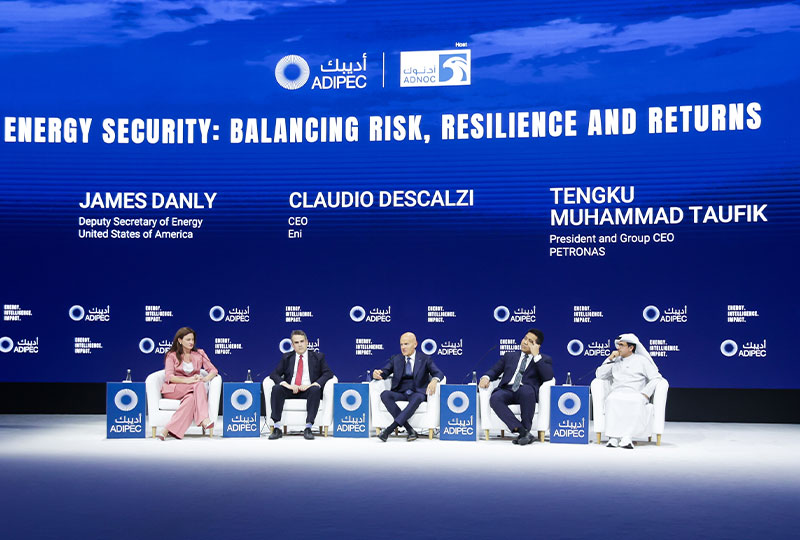
Energy Security & Resilience
Explore how countries and companies are strengthening their ability to withstand disruption while maintaining affordability, reliability and competitiveness.

Policy, Regulation & Governance
Understand how policy and regulation can unlock investment, reduce risk and accelerate delivery across energy markets.
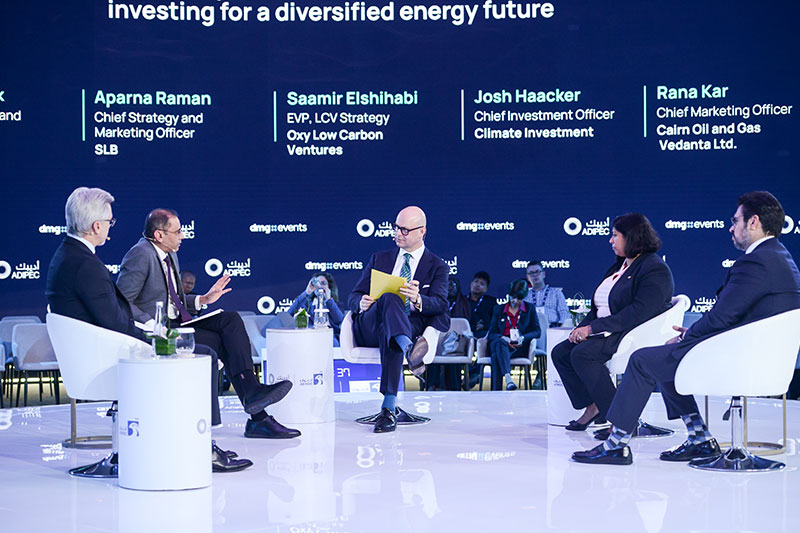
Finance & Investment
Explore how capital can be mobilised to deliver short-term resiliency while securing long-term growth.
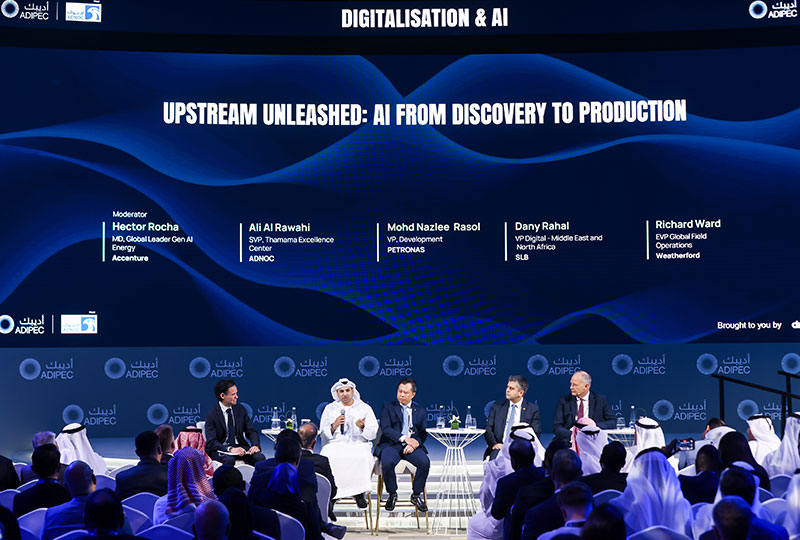
AI, Digital & Technology
Discover how AI and digital technologies are driving efficiency, resilience, security and competitive advantage across energy operations
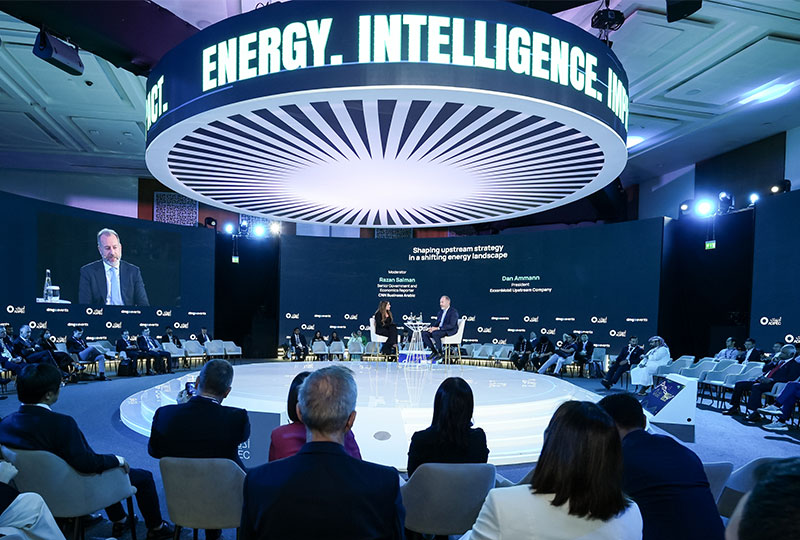
Upstream
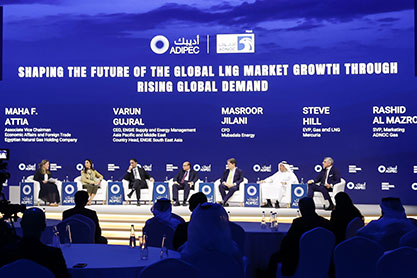
Natural Gas & LNG
Delve into how natural gas and LNG markets are adjusting to shifting demand, new buyers and disrupted trade flows.
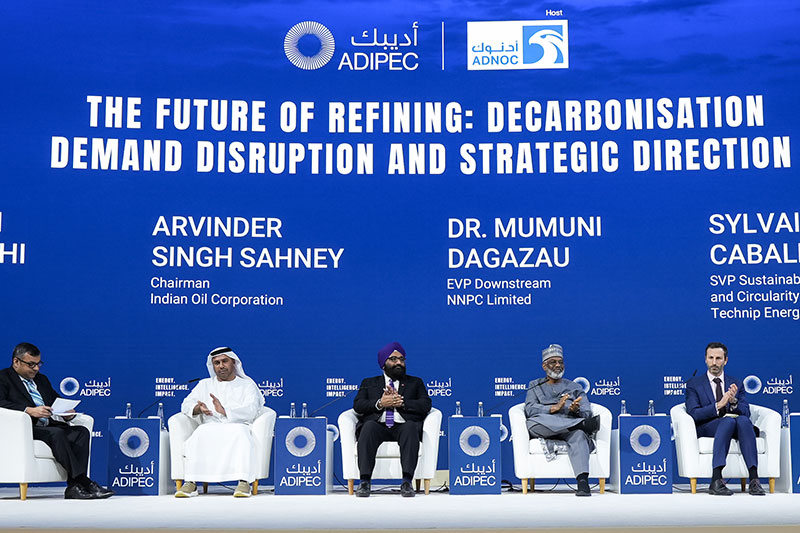
Downstream, Chemicals & Industrial Value Chains
Explore how downstream value chains are competing across markets, securing feedstocks and strengthening integration.
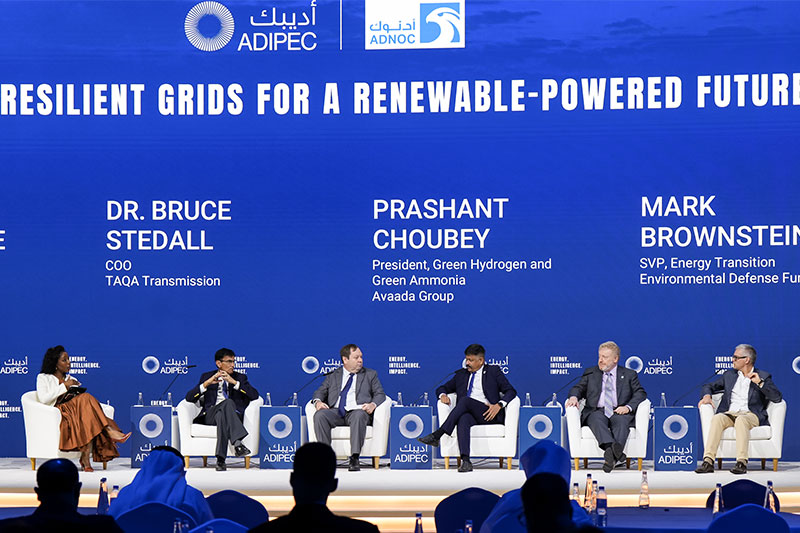
Grids, Infrastructure & Industrial Execution
Understand how grids, infrastructure and execution capacity are becoming decisive to growth, reliability and delivery at scale
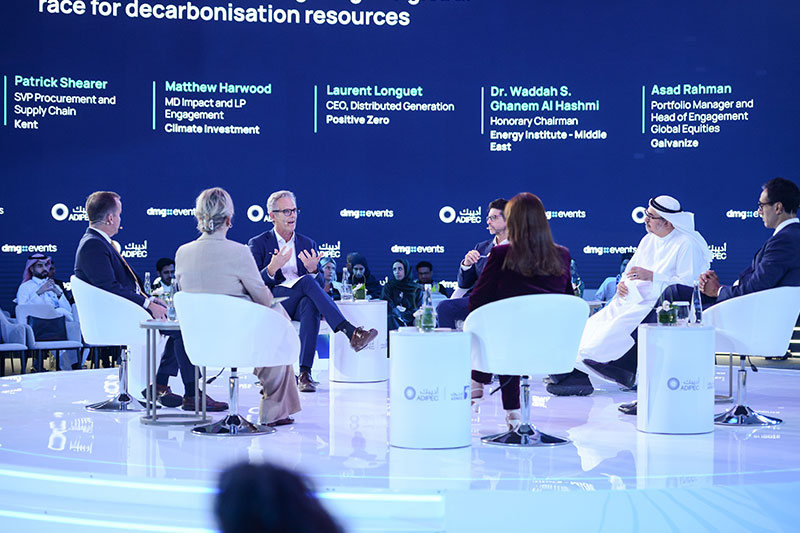
Clean Power, Molecules & Carbon Management
Explore how low-carbon power, cleaner molecules and carbon management are moving into commercially viable delivery at scale

Maritime & Logistics
Discover how shipping, ports and logistics are strengthening trade resilience, route security and infrastructure competitiveness
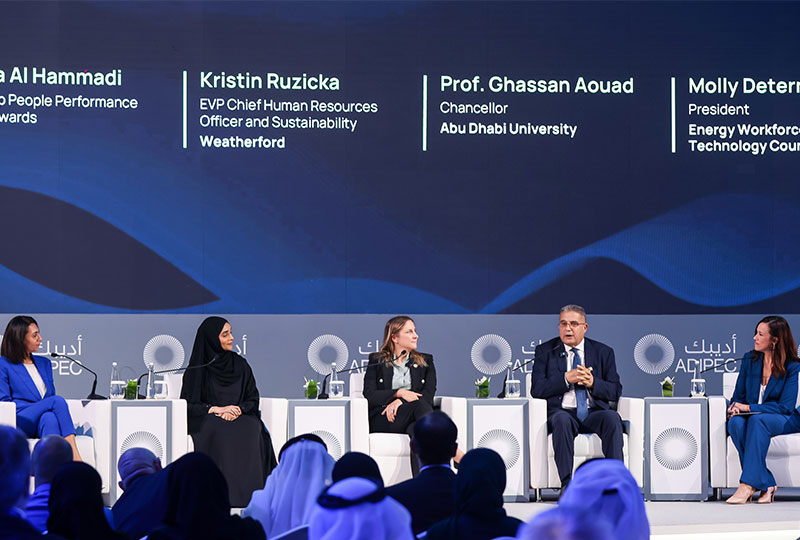
Workforce & Skills
Learn how energy leaders are tackling workforce constraints, critical skills gaps and leadership succession to sustain performance
Frequently asked questions
What is the focus of the Energy Security & Resilience programme?
The programme explores how energy systems can withstand disruption while maintaining reliability, affordability and competitiveness in a more volatile global environment.
Who should attend this programme?
Ministers, policymakers, energy producers, utilities, infrastructure operators, investors and security experts involved in strengthening system resilience and continuity.
What challenges does the programme address?
It addresses geopolitical disruption, supply chain vulnerability, infrastructure risk, trade fragmentation and the increasing complexity of interconnected energy systems.
What topics will be covered?
Key topics include contingency planning, system flexibility, infrastructure protection, supply chain resilience and strategies to reduce exposure and improve recovery.



