






Downstream, Chemicals & Industrial Value Chains sessions
Global refining: navigating supply disruption and structural market pressure
Global refining capacity is shifting towards large-scale integrated complexes in the Middle East and Asia, while older facilities in Europe and mature markets close or convert. Supply disruptions in 2......
Learn more
Petrochemicals: converting structural demand growth into sustained profitability
Petrochemicals are expected to drive a significant share of global oil demand growth as demand for plastics, fertilisers and industrial materials expands. Yet the broader demand outlook is more unc......
Learn more
Building the next generation of global chemicals platforms
For decades, chemicals have complemented upstream and refining portfolios by creating additional value from hydrocarbon resources. Today, they are taking on a far more strategic role. As energy com......
Learn more
Beyond chemicals: building the industries of the future
As industries confront a more competitive, resource-constrained and technologically driven future, advanced materials are emerging as a critical enabler of resilience, sustainability and long-term gro......
Learn more
Competing for feedstock advantage in a tighter supply environment
Competition for feedstocks is intensifying as petrochemical capacity expands across major industrial hubs. The IEA reported slower growth in petrochemical feedstock demand in 2025 as trade disruption ......
Learn more
From journey to ecosystem: partnerships redefining the future of mobility
The future of mobility is being reshaped by the connected ecosystems that bring together energy, infrastructure, technology, retail and travel. As customer expectations shift towards greater conven......
Learn more
Maintaining market access for fuel and chemical trade through disruption
Global fuel and petrochemical trade flows are being reshaped by sanctions, export controls and shifting alliances, with constrained shipping routes, freight bottlenecks and restricted corridors forcin......
Learn more

Compete in shifting downstream markets
Gain insight into how feedstock access, demand patterns and regional capacity are reshaping competitive advantage.

Secure feedstock advantage
Explore how producers are navigating hydrocarbons, recycled inputs and alternative carbon to stay competitive.

Navigate global trade flows
Examine how refiners, producers and traders are managing disrupted trade routes and securing market access.

Reposition assets for what comes next
Understand how refining and chemical systems are being reworked through integration, diversification and new product pathways.
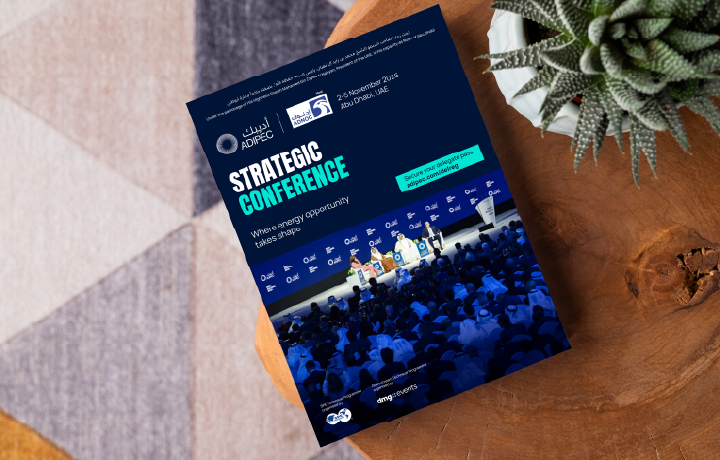
Strategic Conference programme is now live
The ADIPEC Strategic Conference brings together ministers, CEOs, investors, policymakers and technology leaders across 11 programmes to shape the decisions, investments and innovations driving energy security, growth and competitiveness.
Strategic Conference programmes
Energy Security & Resilience
Policy, Regulation & Governance
Finance & Investment
AI, Digital & Technology
Upstream
Natural Gas & LNG
Downstream, Chemicals & Industrial Value Chains
Grids, Infrastructure & Industrial Execution
Clean Power, Molecules & Carbon Management
Maritime & Logistics
Workforce & Skills
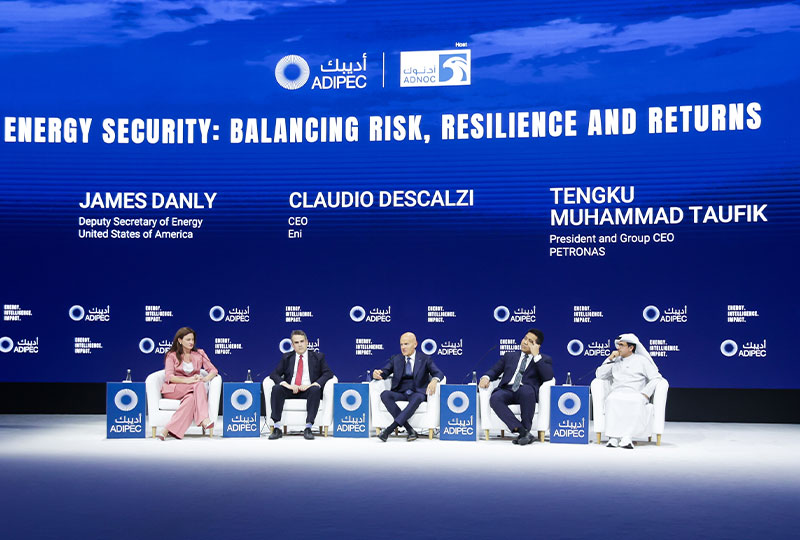
Energy Security & Resilience
Explore how countries and companies are strengthening their ability to withstand disruption while maintaining affordability, reliability and competitiveness.
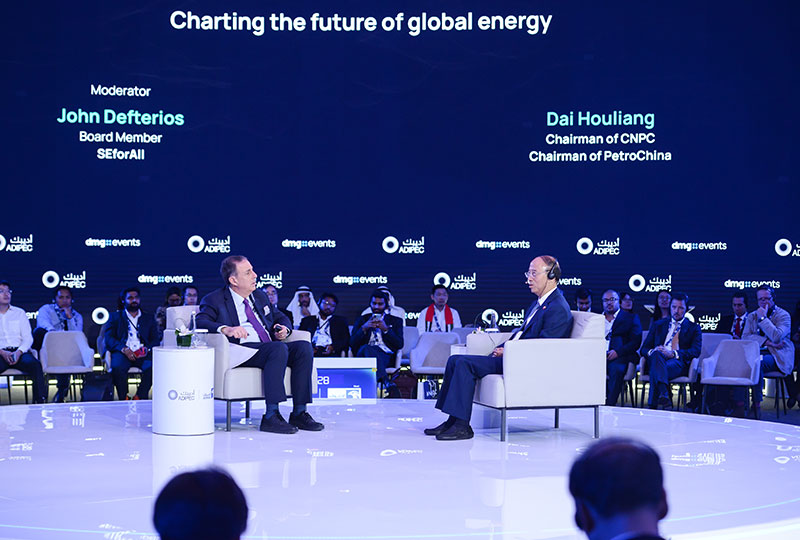
Policy, Regulation & Governance
Understand how policy and regulation can unlock investment, reduce risk and accelerate delivery across energy markets.
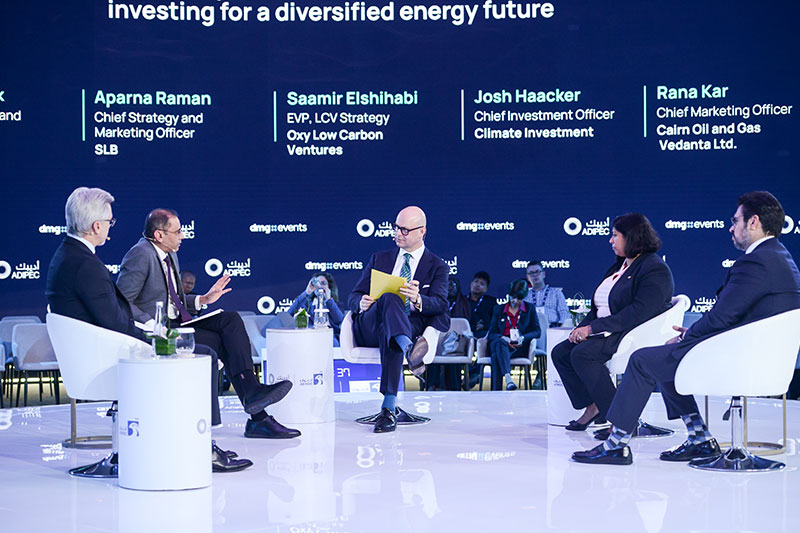
Finance & Investment
Explore how capital can be mobilised to deliver short-term resiliency while securing long-term growth.
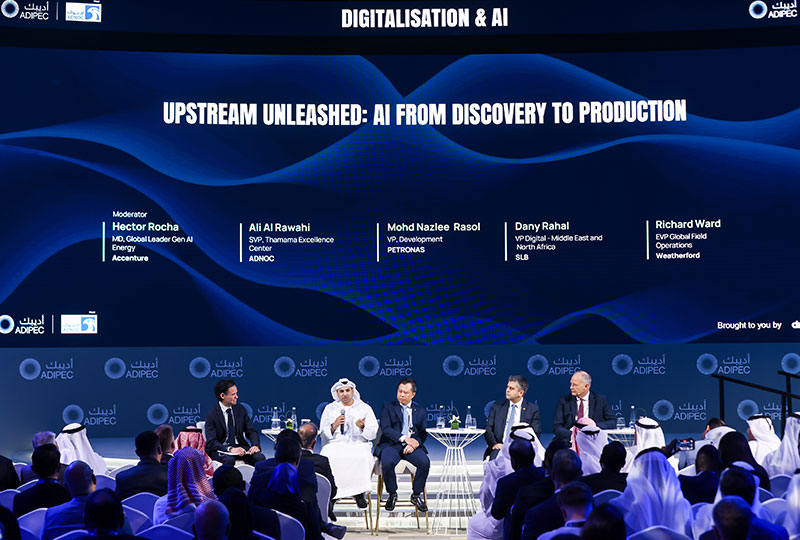
AI, Digital & Technology
Discover how AI and digital technologies are driving efficiency, resilience, security and competitive advantage across energy operations
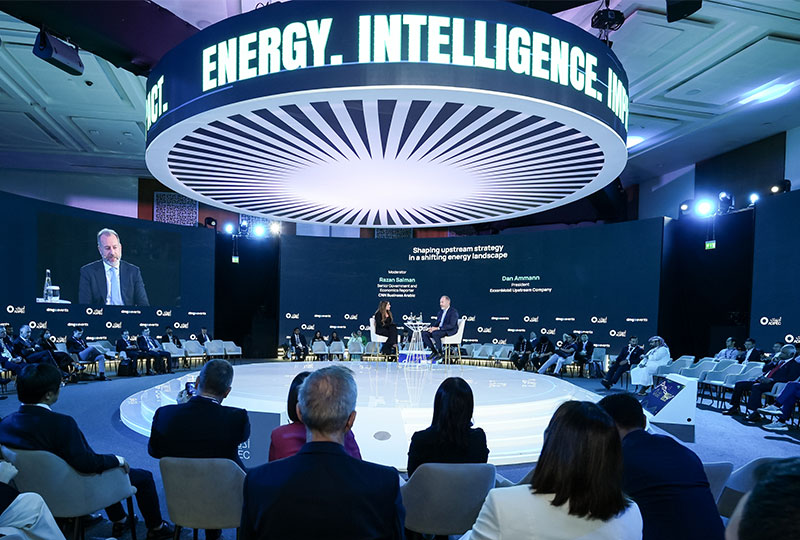
Upstream
Natural Gas & LNG
Delve into how natural gas and LNG markets are adjusting to shifting demand, new buyers and disrupted trade flows.
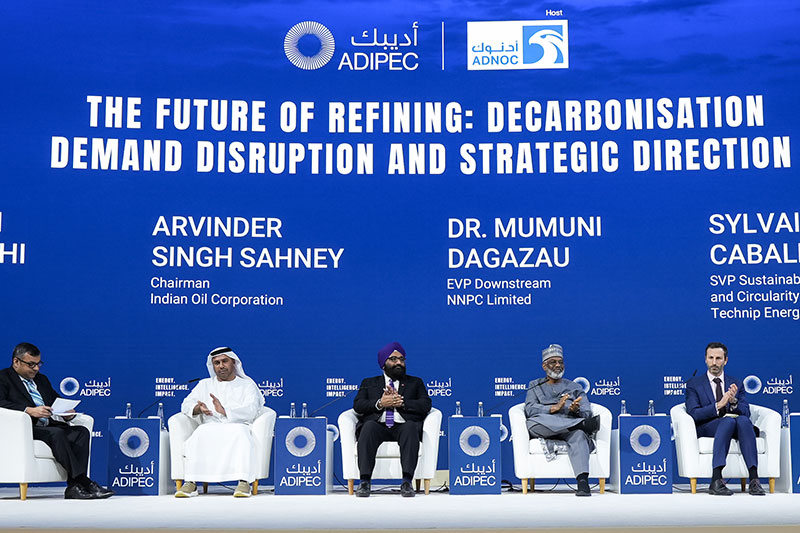
Downstream, Chemicals & Industrial Value Chains
Explore how downstream value chains are competing across markets, securing feedstocks and strengthening integration.
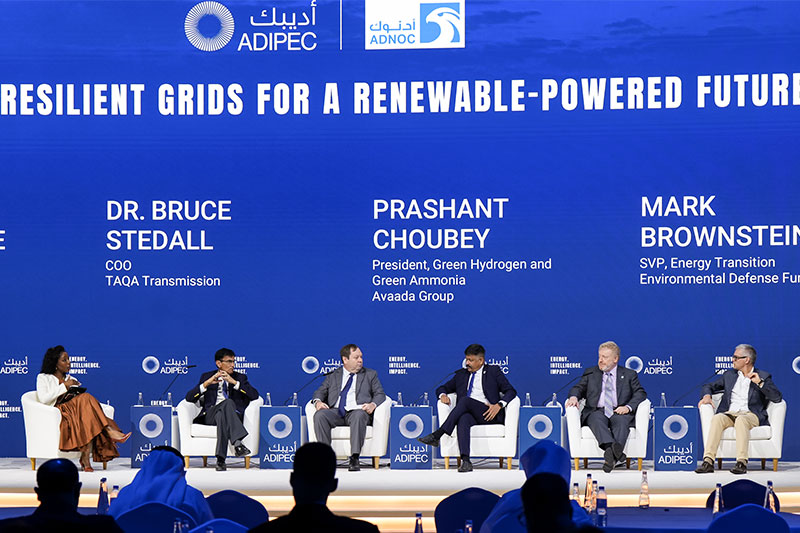
Grids, Infrastructure & Industrial Execution
Understand how grids, infrastructure and execution capacity are becoming decisive to growth, reliability and delivery at scale
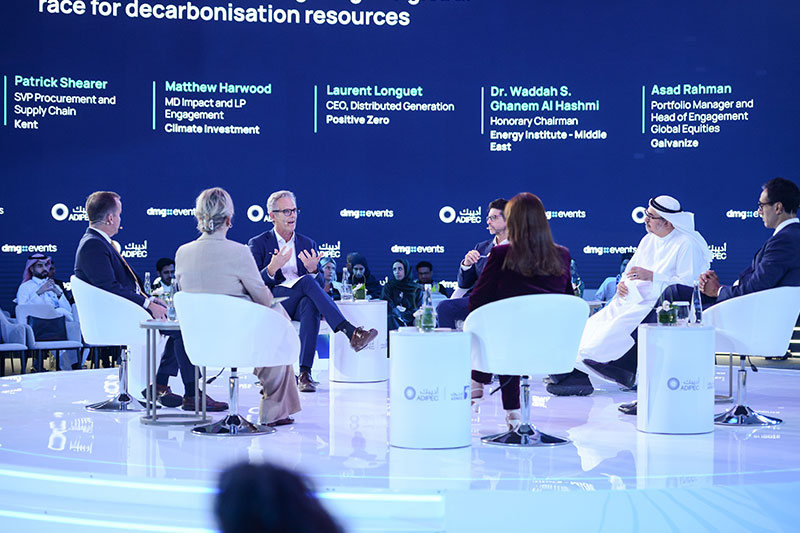
Clean Power, Molecules & Carbon Management
Explore how low-carbon power, cleaner molecules and carbon management are moving into commercially viable delivery at scale
Maritime & Logistics
Discover how shipping, ports and logistics are strengthening trade resilience, route security and infrastructure competitiveness
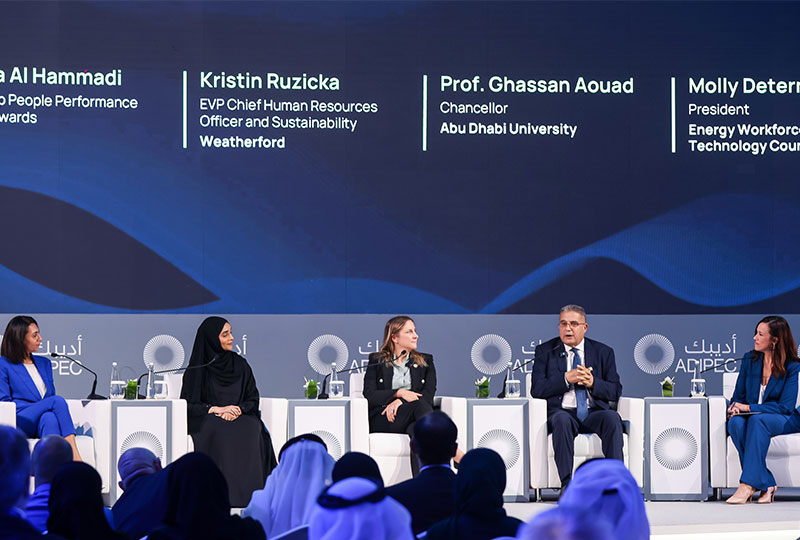
Workforce & Skills
Learn how energy leaders are tackling workforce constraints, critical skills gaps and leadership succession to sustain performance
Frequently asked questions
What is the focus of the Downstream programme?
It looks at how downstream and industrial players position value chains in a more competitive market, where access to feedstocks and markets shapes how businesses operate and grow.
Who should attend?
Senior decision-makers across downstream and industrial value chains, including refiners, chemical producers, traders, manufacturers and those responsible for how products are produced, moved and sold.
What challenges does the programme address?
It explores how shifting trade routes, tighter supply conditions and changing demand are affecting how products move across markets.
What topics will be covered?
The programme looks at how feedstocks are sourced, how products reach end markets and how different parts of the value chain work together under changing conditions.
Why is this programme important now?
Markets are becoming harder to access and supply is less predictable, putting more weight on how companies organise their value chains and respond to change.



