







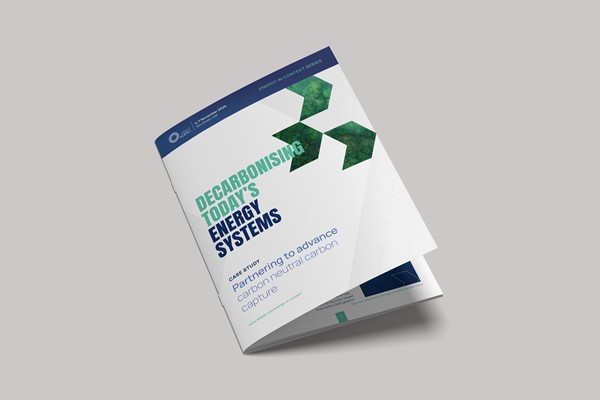
Case Study
Partnering to advance
carbon neutral carbon
capture

1/3
Share of all coal-fired capacity that is less than 10 years old
4Tcm
Amount of natural gas consumed worldwide
40%
Percentage of energyrelated emissions from the power sector
20%
Percentage of gas as a source of power generation globally


cs6

Case study summary
Carbon capture, utilisation, and storage (CCUS) plants are crucial for mitigating climate change and supporting the transition to a low-carbon economy. CCUS technology captures carbon dioxide emissions from power plants and industrial processes before they reach the atmosphere, reducing greenhouse gas concentrations and helping to meet international climate targets. The technology scores highly for its ability to retrofit the existing infrastructure and allow continued use of facilities that might be too early to be retired. CCUS is also valuable for decarbonising hard-to-abate sectors like cement, steel and chemicals. But the biggest challenge so far has been economic viability and scalability.
The world’s first utility-scale natural gas-fired power plant with nearzero atmospheric emissions by NET Power could usher in a change. The project fully integrates power production with transportation and underground sequestration of carbon dioxide. The new plant will be built near Occidental’s Permian Basin operations and is expected to be online by late 2027 or mid-2028.
Organisations involved: 8 Rivers Capital, Baker Hughes, NET Power, Occidental Petroleum
Download Case Study

Share ADIPEC's 'Energy in Context' with your LinkedIn network
- Click this link: www.adipec.com/sharecasestudy
- Log in to your LinkedIn account
- Edit the text and banner (optional)
- Publish the post



City host


Venue partner

Sport & recreation partner

Official local media partner

Official media partner

Technical Conference organiser

ADIPEC brought to you by