





Supported by

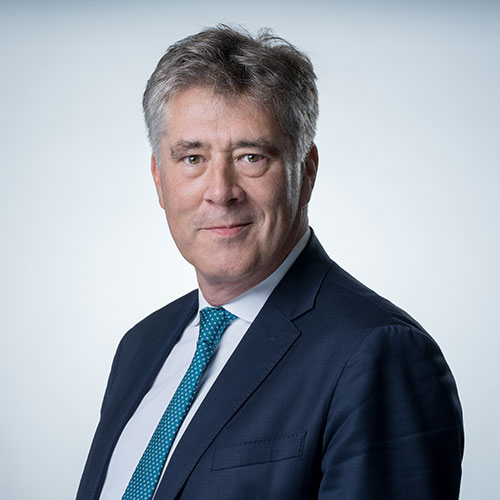
Peter van Driel

Chief Financial Officer

ADNOC Gas

Peter
Peter

Peter van Driel is the Chief Financial Officer of ADNOC Gas, an ADX listed, large-scale integrated gas processing company and a subsidiary of ADNOC, one of the world's largest integrated energy companies with a market capitalization of over $70 billion. With a remarkable career spanning over three decades, he has earned a reputation as a highly skilled and seasoned finance executive, garnering extensive international experience through various senior roles within the energy sector. Van Driel embarked on his career at Shell in 1991, dedicating nearly three decades of service to the company, where he held diverse roles across several countries, including the UK, Philippines, Russia, the US and the Netherlands. Before joining ADNOC Gas, he served for nearly two years as CFO at Naftogaz, the Ukrainian state-owned oil and gas company, where he successfully spearheaded the transformation of the company and played a pivotal role in shaping its new strategic direction. With a wealth of experience, he has a track record of inspiring and motivating staff, fostering a collaborative work environment and employing creative problem-solving techniques. Van Driel holds a Master's degree in Business Administration from Rotterdam School of Management, Netherlands.

Session Overview
Wednesday, 4 November
12:50
Natural Gas & LNG Plenary Hall B 12:50 - 13:20
Financing gas and LNG: sovereign capital, NOCs and the new architecture of project finance

Capital markets for gas and power have fractured along geopolitical and institutional lines. Traditional Western project finance and commercial bank lending have tightened under climate mandates, regulatory pressure and reputational risk, even as demand growth remains strongest in regions with limited access to low-cost capital. Into this gap step NOCs, export credit agencies, development banks and, increasingly, sovereign wealth funds, combining capital with long-term offtake, equity participation and diplomatic alignment. Investors are reassessing core assumptions around utilisation rates, contract duration, geopolitical exposure, methane performance and long-term demand, reshaping how infrastructure risk is priced and what qualifies as bankable. Bilateral deals, state-backed consortia and vertically integrated investment models are replacing syndicated finance in many projects. The future build-out of gas and power infrastructure will depend less on global capital markets than on who can assemble aligned capital, policy support and long-term demand assurance.

Attendee Insights:
Understand how sovereign funds, NOCs and state-backed capital reshaping gas and power financing in a fragmented system are.

Member of