



A global stage for 2,250+ exhibitors to showcase their
game-changing solutions and demonstrate tangible
actions advancing the energy transition.
Explore cutting-edge solutions, build valuable connections,
and stay ahead of the trends transforming global energy.
Across 13 conference programmes and 380+ sessions, speakers will share
diverse perspectives and discuss actionable outcomes aimed at
accelerating the transition to a cleaner, more secure energy future.
ADIPEC serves as a nexus, seamlessly
uniting international, regional, and
local stakeholders, from across industries.
Explore ADIPEC insights, announcements,
content and images of relevance
to members of the media.
For media enquiries email media@adipec.com
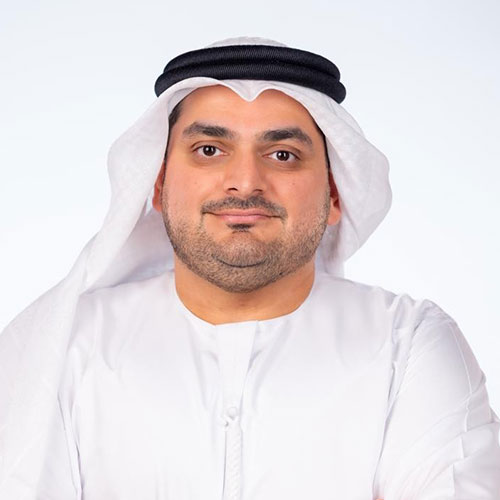
CEO
TA'ZIZ
Mashal joined TA’ZIZ as Chief Executive Officer in February, 2023. Mashal Saoud Al Kindi is a leader in the UAE’s oil and gas sector, with over 15 years of senior management across ADNOC’s Executive Office, Upstream, and Downstream Industry Trading & Marketing directorates. Mashal’s prior experience includes the establishment of joint ventures, as well as the spearheading of corporate management and business transformation across several ADNOC group companies. He brings a wealth of experience in major capital projects, portfolio management, governance and corporate planning. Mashal holds a Bachelor of Science in Mechanical Engineering and a Master of Project Management.

Competition for feedstocks is intensifying as petrochemical capacity expands across major industrial hubs. The IEA reported slower growth in petrochemical feedstock demand in 2025 as trade disruption and weaker industrial activity weighed on petrochemical markets. Yet feedstock cost, availability and flexibility continue to influence how producers compete for investment and market share. Disruptions to hydrocarbon supply have reinforced that feedstock availability, not just cost, can constrain downstream production, with ethane-advantaged regions pulling ahead and naphtha-based systems remaining exposed to crude-linked volatility. Producers are responding by investing in multi-feedstock flexibility and repositioning around basins where structural access to competitive hydrocarbons is strongest. The gap between advantaged and constrained production systems is widening, and feedstock strategy is increasingly shaping long-term investment decisions and regional competitiveness rather than being treated as a logistics consideration. Producers that secure structural feedstock advantage now will define where downstream capacity is built and who captures the margin as supply conditions tighten.
Attendee Insights:
Explore how competition for feedstocks is reshaping downstream advantage and which production systems are best positioned to compete.
dmg events is a global exhibitions and conferences organiser, with a portfolio of over 80 events focusing on diverse industries, from energy, construction and transport to design and hospitality. More than 425,000 visitors attend our events annually, creating opportunities to network, do business, overcome challenges and discover emerging industry opportunities.