



Explore cutting-edge solutions, build valuable connections,
and stay ahead of the trends transforming global energy.
Across 13 conference programmes and 380+ sessions, speakers will share
diverse perspectives and discuss actionable outcomes aimed at
accelerating the transition to a cleaner, more secure energy future.
Explore ADIPEC insights, announcements,
content and images of relevance
to members of the media.
For media enquiries email media@adipec.com
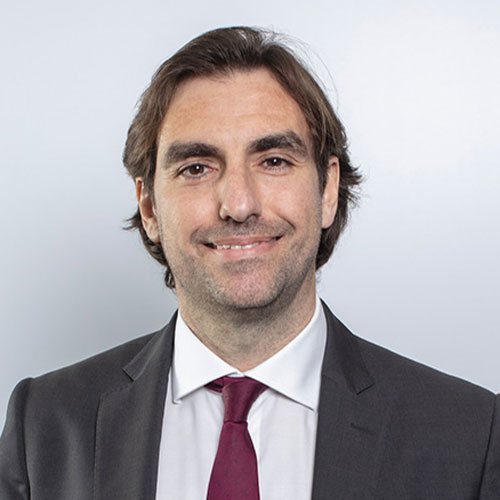
Fabrizio Botta is the Chief Operating Officer of Saipem’s Energy Carriers business line. He joined Saipem in April 2010 as Technical Manager for Renewables, and grew through the ranks as Proposal Director, then he led the Office of the CEO and the Chairman, based in San Donato Milanese, Milan, Italy. Then, he became the Saipem Abu Dhabi Branch Manager and the UAE and Kuwait Area Manager for the Drilling Onshore Division, based in Abu Dhabi (UAE). Upon his return to Italy, he held the role of Director of Global Strategy Commercial and Tendering for the Onshore E&C division from 2019 to 2021 and was then appointed to Chief Commercial Officer of Saipem from December 2021 to July 2024. Prior to joining Saipem, Fabrizio started his career at Edison S.p.A., where he rose to the position of Project Mechanical Engineer in the Engineering Department. Fabrizio earned a BS in Mechanical Engineering from the University of Palermo and an MBA from the MIP graduate School of Business, Politecnico di Milano. From 2020 to 2023 he was a member of the steering committee of Confindustria Energia and he has been a member of the board of the Italian Association for Industrial Plants (ANIMP) since 2023.


dmg events is a global exhibitions and conferences organiser, with a portfolio of over 80 events focusing on diverse industries, from energy, construction and transport to design and hospitality. More than 425,000 visitors attend our events annually, creating opportunities to network, do business, overcome challenges and discover emerging industry opportunities.
Member of


