

Supported by

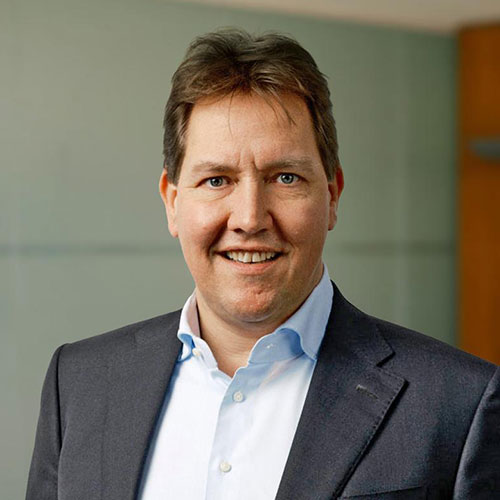
Martijn Arjen van Koten

Member of the Executive Board, EVP Fuels & Chemicals

OMV

Martjin
Martjin

Martijn van Koten was born in the Netherlands, where he studied Chemical Engineering at Delft University of Technology. He began his professional career at Shell in 1994, holding a variety of management and technical positions in the refining and downstream business in the United Kingdom, Germany, and the Netherlands. Starting 2004, Martijn van Koten resumed Manufacturing Site General Manager positions in Sweden and Singapore, before becoming Vice President Manufacturing East & Middle East in Singapore in 2009 and Vice President Supply & Distribution Americas in the United States in 2013. In 2013, Martijn van Koten joined Borealis in Austria as Executive Board Member Operations, HSE & PTS. From 2018 until June 2021, he served as Executive Board Member Base Chemicals & Operations. Martijn van Koten has been a member of the Executive Board of Directors at OMV Aktiengesellschaft since July 1, 2021, with responsibility for the Fuels & Feedstock business. In addition, he has headed the Chemicals business since April 1, 2026.

Session Overview
Tuesday, 3 November
14:05
Downstream, Chemicals & Industrial Value Chains Plenary Hall B 14:05 - 14:35
Global refining: navigating supply disruption and structural market pressure

Global refining capacity is shifting towards large-scale integrated complexes in the Middle East and Asia, while older facilities in Europe and mature markets close or convert. Supply disruptions in 2026 have exposed dependence on concentrated supply routes, limited spare capacity and crude-slate inflexibility, compressing margins and forcing operational adjustments across refining systems. Managing these conditions requires refiners to make difficult trade-offs between utilisation, feedstock access and product slate strategy in real time. Regional disparities in refining economics are widening, and operators are drawing on inventories and re-optimising configurations to protect margins and maintain stability as disruption moves from episodic to structural. Refiners that build operational flexibility and commercial adaptability into their systems will sustain performance where others face margin deterioration and output constraints.

Attendee Insights:
Understand how refining leaders are managing critical trade-offs to protect margins and sustain market position through prolonged supply disruption.

Member of