



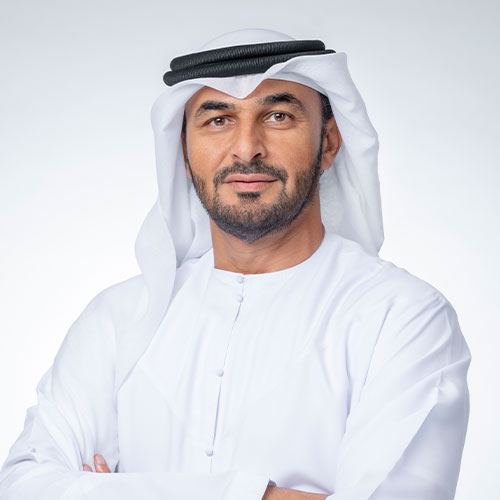
Captain Abdulkareem Al Masabi, CEO of ADNOC Logistics & Services plc, has led the company since 2018, following the merger of ADNOC’s offshore and onshore logistics, shipping and port operations subsidiaries. Under his leadership, ADNOC L&S has delivered a bold growth and transformation agenda that has positioned the company as a global powerhouse in integrated maritime logistics for the energy sector. Captain Al Masabi led the delivery of several landmark milestones, most notably the company’s listing on the Abu Dhabi Securities Exchange (ADX) in May 2023, which was oversubscribed by a record 163×. From the company’s 2023 listing through to the end of June 2026, its market capitalization has grown by 200%. During Captain Al Masabi’s tenure, ADNOC L&S also accelerated growth through strategic mergers and acquisitions, notably the acquisition of ZMI Holdings, the world’s largest owner of self-propelled jack-up barges, and an 80% stake of Singapore-based Navig8, a leading global shipping company operating one of the world’s largest tanker fleets. These transactions significantly expanded ADNOC L&S’s fleet, offshore capabilities, and global reach, and contributed strong financial performance. A master mariner by training, Captain Al Masabi has both a proven operational track-record and extensive executive experience in the maritime industry. Prior to joining ADNOC L&S, he was the Executive Vice President of the Ports Unit at Abu Dhabi Ports and Chairman of Abu Dhabi Terminals, where he was responsible for the day-to-day operations and drove the ports’ growth, including the development of Khalifa Port. He holds non-executive board memberships in several maritime logistics companies.



