






Under the patronage of His Highness Sheikh Mohamed bin Zayed Al Nahyan, President of the UAE, in his capacity as Ruler of Abu Dhabi

تحت رعاية صاحب السمو الشيخ محمد بن زايد آل نهيان ، رئيس الدولة "حفظه الله"، بصفته حاكماً لإمارة أبوظبي

Supported by

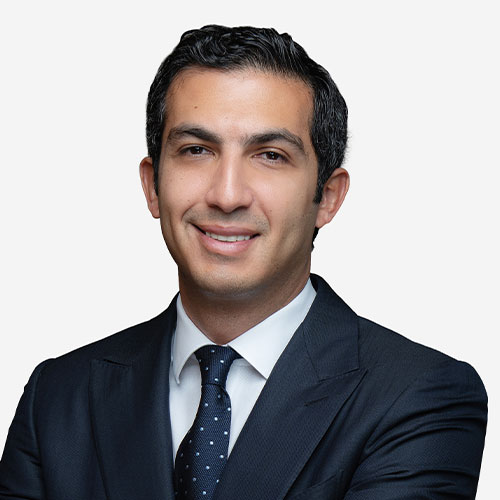
Ahmed El-Hoshy

CEO

Fertiglobe

Ahmed
Ahmed

Ahmed El-Hoshy is the CEO of Fertiglobe plc (ADX: FERTIGLB) and has led the company’s sustainability and growth initiatives since 2021. Under his leadership, Fertiglobe was successfully listed on the Abu Dhabi Securities Exchange (ADX) and successfully navigating commodity market cycles, and leading Fertiglobe’s consolidation with ADNOC to create a world leader in low carbon ammonia. Previously, as CEO of OCI Global, he played a key role in the development of major ammonia and methanol projects, including the Iowa Fertilizer Company and the world’s first large-scale blue ammonia plant in Texas. His strategic leadership contributed to OCI’s growth into a top-five global ammonia and methanol producer and the successful divestment of businesses, generating $11.6 billion in gross proceeds. A Harvard economics graduate, Ahmed started his career at Goldman Sachs in investment banking. He is actively involved in global sustainability efforts, serving on the Bloomberg New Economy Climate Technology Coalition, the Hydrogen Council, and the International Fertilizer Association.

Session Overview
Wednesday, 4 November
14:00
Clean Power, Molecules & Carbon Management Plenary Hall B 14:00 - 14:30
Hydrogen's next chapter: from FID to first molecules
Hydrogen has moved from announcements into execution. Landmark projects across the Gulf, Europe and beyond are approaching production, about to give the industry the most data it has ever had at scale: real costs, construction timelines, offtake performance and the operational realities of producing at volume. Which use cases work is becoming clearer. Ammonia for fertiliser and shipping, hydrogen for refining, and industrial feedstock applications with no viable alternative are all progressing, while broader applications remain further from commercial reality. The next 18 months will be decisive as the first large-scale projects come on stream. The industry will then learn whether project economics hold, or whether the optimism underpinning commitments survives contact with operational reality.
Attendee Insights:
Assess which hydrogen use cases are proving commercially viable, as the first large-scale projects reach production, and what the data reveals about realistic growth trajectories.
14:10
Clean Power, Molecules & Carbon Management Plenary Hall B 14:10 - 14:40
Hydrogen's next chapter: from FID to first molecules

Hydrogen has moved from announcements into execution. Landmark projects across the Gulf, Europe and beyond are approaching production, about to give the industry the most data it has ever had at scale: real costs, construction timelines, offtake performance and the operational realities of producing at volume. Which use cases work is becoming clearer. Ammonia for fertiliser and shipping, hydrogen for refining, and industrial feedstock applications with no viable alternative are all progressing, while broader applications remain further from commercial reality. The next 18 months will be decisive as the first large-scale projects come on stream. The industry will then learn whether project economics hold, or whether the optimism underpinning commitments survives contact with operational reality.

Attendee Insights:
Assess which hydrogen use cases are proving commercially viable, as the first large-scale projects reach production, and what the data reveals about realistic growth trajectories.

Member of