





Under the patronage of His Highness Sheikh Mohamed bin Zayed Al Nahyan, President of the UAE, in his capacity as Ruler of Abu Dhabi

تحت رعاية صاحب السمو الشيخ محمد بن زايد آل نهيان ، رئيس الدولة "حفظه الله"، بصفته حاكماً لإمارة أبوظبي

Supported by

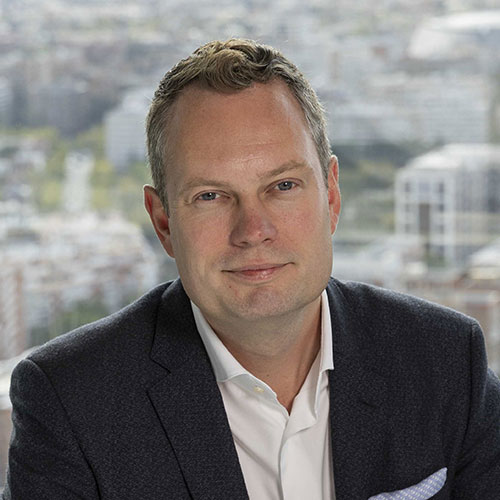
Rik Sneep

SVP Strategy and Growth

Moeve

Rik
Rik

Rik Sneep is an accomplished strategist in the energy industry and considered an ‘energy futurist´, currently serving as the Senior Vice President of Strategy and International Growth at Moeve, a company with a transformational growth strategy and leading sustainability agenda. In addition, Rik is a member of the executive committee of the Global Impact Coalition, driving strategic partnerships in the chemical industry to accelerate sustainable innovation. Prior to his current role, Rik held several executive roles within Shell, including Vice President of Integrated Gas Ventures and General Manager of Strategic Integration. In the latter role Rik was at the heart to the pivot from a product centric to a customer centric organization that he believes is critical to succeed in the energy transition. Outside of his professional commitments, Rik is a dedicated advocate for corporate social responsibility and environmental stewardship. He actively engages with various sustainability organizations and initiatives and serves on the advisory board of the Safe Water Gardens, bringing safe sanitation to families in SE Asia. Rik holds an MBA from Duke University and has graduated from the World Business Council of Sustainability Leadership Program at Yale.

Session Overview
Thursday, 5 November
13:40
Clean Power, Molecules & Carbon Management Conference Room B 13:40 - 14:10
The new molecule economy: who controls the next generation of energy trade

Ammonia, methanol, hydrogen derivatives and e-fuels are emerging as a new class of traded energy whose strategic value has increased sharply as conventional flows face chokepoint risk. Export ambitions are concentrating in the Gulf, Australia and parts of Asia, while Europe and Japan position as demand centres. But unlike oil and gas, where trade infrastructure matured over decades, this market is being shaped in real time. Who builds the import terminals, who sets the certification standards, who secures the storage and handling capacity, and who locks in the long-term offtake will determine which countries and companies anchor the molecule trade routes of the 2030s. The positions being established now in terminal infrastructure, contract design and logistics capability will be difficult for later entrants to dislodge. Assess which trade corridors are moving from aspiration to committed volumes, where first-mover advantage is being established across the value chain, and which countries and companies are positioning to anchor the next generation of energy trade.

Member of