





Under the patronage of His Highness Sheikh Mohamed bin Zayed Al Nahyan, President of the UAE, in his capacity as Ruler of Abu Dhabi

تحت رعاية صاحب السمو الشيخ محمد بن زايد آل نهيان ، رئيس الدولة "حفظه الله"، بصفته حاكماً لإمارة أبوظبي

Supported by

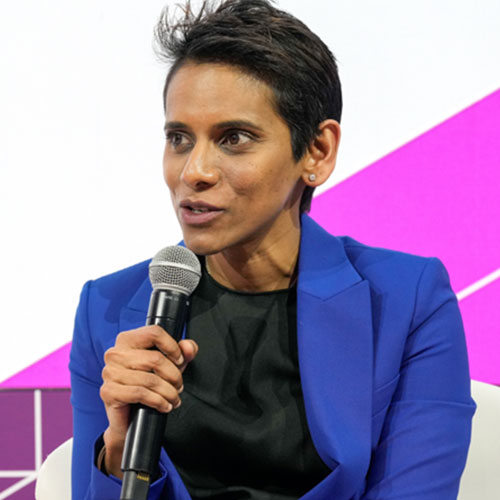
Hema Prapoo

Worldwide Oil & Gas Industry Leader

Microsoft

Hema
Hema

Hema Prapoo is the Worldwide Energy Sector Leader at Microsoft, where she is at the forefront of shaping the future of energy through digital transformation, decarbonization, and the acceleration of the energy transition. With a bold vision and a deep commitment to innovation, Hema leads global strategy and execution, harnessing the power of AI and digital technologies to drive impact across the entire energy value chain. A recognized thought leader and trusted advisor to senior executives, Hema bridges the gap between industry ambition and technological possibility. Her ability to align market dynamics with organizational strategy and execution has made her a catalyst for change and a champion of sustainable progress. She fosters transformative partnerships between Microsoft and the energy industry, inspiring collaboration and unlocking new pathways to growth. Before joining the tech sector, Hema spent nearly two decades in the energy industry, holding strategic global roles in the upstream segment. She began her career as a Field Engineer in Asia and has led diverse teams across multiple countries, bringing a global perspective to every challenge she tackles. Hema holds a Master of Engineering in Electric Power from the University of New South Wales, Australia. Her journey—from the field to the forefront of digital innovation—embodies the spirit of leadership, resilience, and purpose that defines the energy transition

Session Overview
Tuesday, 3 November
15:00
Workforce & Skills Conference Room B 15:00 - 15:45
Intelligence or infrastructure: where future energy architects will choose to build?

AI and energy are competing for the engineers, software architects and data scientists who will shape future systems. Does the greater opportunity lie in building foundational AI platforms, or applying intelligence to high-stakes infrastructure where it can improve industrial performance and resilience? How this talent is allocated will determine where critical capabilities are built, controlled and scaled, and whether energy companies shape their digital systems or remain downstream adopters.

Attendee Insights:
Compare how technology and energy attract digital talent and examine how the energy sector can position itself as a destination for high-impact AI expertise.

15:00
Workforce & Skills Conference Room B 15:00 - 15:45
Intelligence or infrastructure: where future energy architects will choose to build?

AI and energy are competing for the engineers, software architects and data scientists who will shape future systems. Does the greater opportunity lie in building foundational AI platforms, or applying intelligence to high-stakes infrastructure where it can improve industrial performance and resilience? How this talent is allocated will determine where critical capabilities are built, controlled and scaled, and whether energy companies shape their digital systems or remain downstream adopters.

Attendee Insights:
Compare how technology and energy attract digital talent and examine how the energy sector can position itself as a destination for high-impact AI expertise.

Member of