








A global stage for 2,250+ exhibitors to showcase their
game-changing solutions and demonstrate tangible
actions advancing the energy transition.
Across 12 conference programmes and 380+ sessions, speakers will share
diverse perspectives and discuss actionable outcomes aimed at
accelerating the transition to a cleaner, more secure energy future.
Explore ADIPEC insights, announcements,
content and images of relevance
to members of the media.
For media enquiries email media@adipec.com
Authored by:
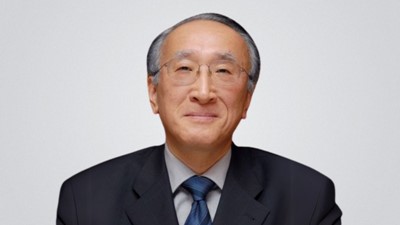
Escalating conflict in the Middle East has brought shipping through the Strait of Hormuz to a halt, with implications far beyond the region. Nobuo Tanaka, Executive Director Emeritus of the International Energy Agency, examines past oil shocks, the risk of supply disruption and inflationary pressure, and the tools available to manage market upheaval. He also considers what an Iran war means for Asia’s energy security and how the region may respond.


Chairman and Chief Analyst of Wood Mackenzie

President & CEO of the Global Center for Energy Analysis and former Secretary General of IEF

Energy Market Analyst & Forbes Senior ContributorIndependent Consultant
With little sign of current regional tensions easing soon, greater focus is being put on the resilience of energy supplies as energy infrastructure comes under attack in the Gulf states and shipping through the Strait of Hormuz is severely reduced, explained global energy experts.
Governments and energy companies have some tools at their disposal to help mitigate supply shocks and to maybe stabilise supplies in the long term, according a panel that comprised Simon Flowers, Chairman and Chief Analyst of Wood Mackenzie, Joseph McMonigle, President & CEO of the Global Center for Energy Analysis and former Secretary General of IEF, and Gaurav Sharma, energy analyst.
The idea of non-OPEC countries stepping up sufficient production to counter supply shortfalls was raised during the discussion, but swiftly dismissed.
“I’m afraid it’s not going to happen because 20 million bpd is a huge gap,” said Sharma. “There’s lots of non-OPEC production in the market from Brazil, from Ghana, Canada and Norway. But a sudden gap of this magnitude cannot be mitigated by non-OPEC players.”
Some Asian governments are reportedly putting into place plans to reduce oil consumption. The panel also said governments in other territories might be prompted into a turnaround on energy policy and pushed to diversify energy and supply sources.
“Thinking more about energy policy resiliency, there might be a bifurcation,” said Flowers.
“On capital investment, I do wonder if governments that have been veering away from oil and gas – and the UK is a really good example – that this might tip the government back into saying, okay, the North Sea, we’re running it down too quickly. Let’s encourage investments, let’s cut fiscals, let’s encourage the oil and gas industry to spend more.”
The availability of alternative supply routes has allowed two major producing countries to bypass the Strait to move hydrocarbons. Saudi Arabia’s East-West pipeline and the UAE’s Habshan-Fujairah pipeline have proven critical, and could influence investment direction in the future, the panel suggested.
“If the East-West pipeline wasn’t in operation, this would be a disaster right now,” said McMonigle.
“In terms of building workarounds…we’re going to see more measures and investment in those types of programmes. Hopefully, global investors see the opportunity in the oil and gas sector and there’s less pressure on capital discipline and more interest in resiliency.”
Panellists agreed the Iran situation had again clearly illustrated how dependent on oil and gas countries remain - and how important it is to remain invested in the sector.
“This is a reminder, not just for the oil market but really for policymakers, that the global economy runs on hydrocarbons,” said McMonigle.
“Yes, we have to keep pursuing the transition and take measures to address climate change, but until there’s a substitute for hydrocarbons, we have to keep investing in hydrocarbons.”
How long the conflict continues will determine government responses as limited supplies and high prices impact economies, the panel agreed.
In the long term, governments and companies may need to revisit policies and strategies to address chronic under-investment in energy infrastructure and projects.
“This is something we’ve all been banging the walls with on Capex investment in supply, not just to address keeping current levels going but also to find additional supplies for growing demand,” said McMonigle. “Now you’re going to see additional focus on resiliency; resiliency in terms of the world we live in now requires countermeasures for drones.”
While impossible to predict when hostilities might cease, the energy industry in the Gulf “would bounce back,” the experts concluded. They suggested Gulf economies are much more resilient and prepared to weather the current “storm” versus some other economies.



dmg events is a global exhibitions and conferences organiser, with a portfolio of over 80 events focusing on diverse industries, from energy, construction and transport to design and hospitality. More than 425,000 visitors attend our events annually, creating opportunities to network, do business, overcome challenges and discover emerging industry opportunities.
Member of