








A global stage for 2,250+ exhibitors to showcase their
game-changing solutions and demonstrate tangible
actions advancing the energy transition.
Across 12 conference programmes and 380+ sessions, speakers will share
diverse perspectives and discuss actionable outcomes aimed at
accelerating the transition to a cleaner, more secure energy future.
Explore ADIPEC insights, announcements,
content and images of relevance
to members of the media.
For media enquiries email media@adipec.com
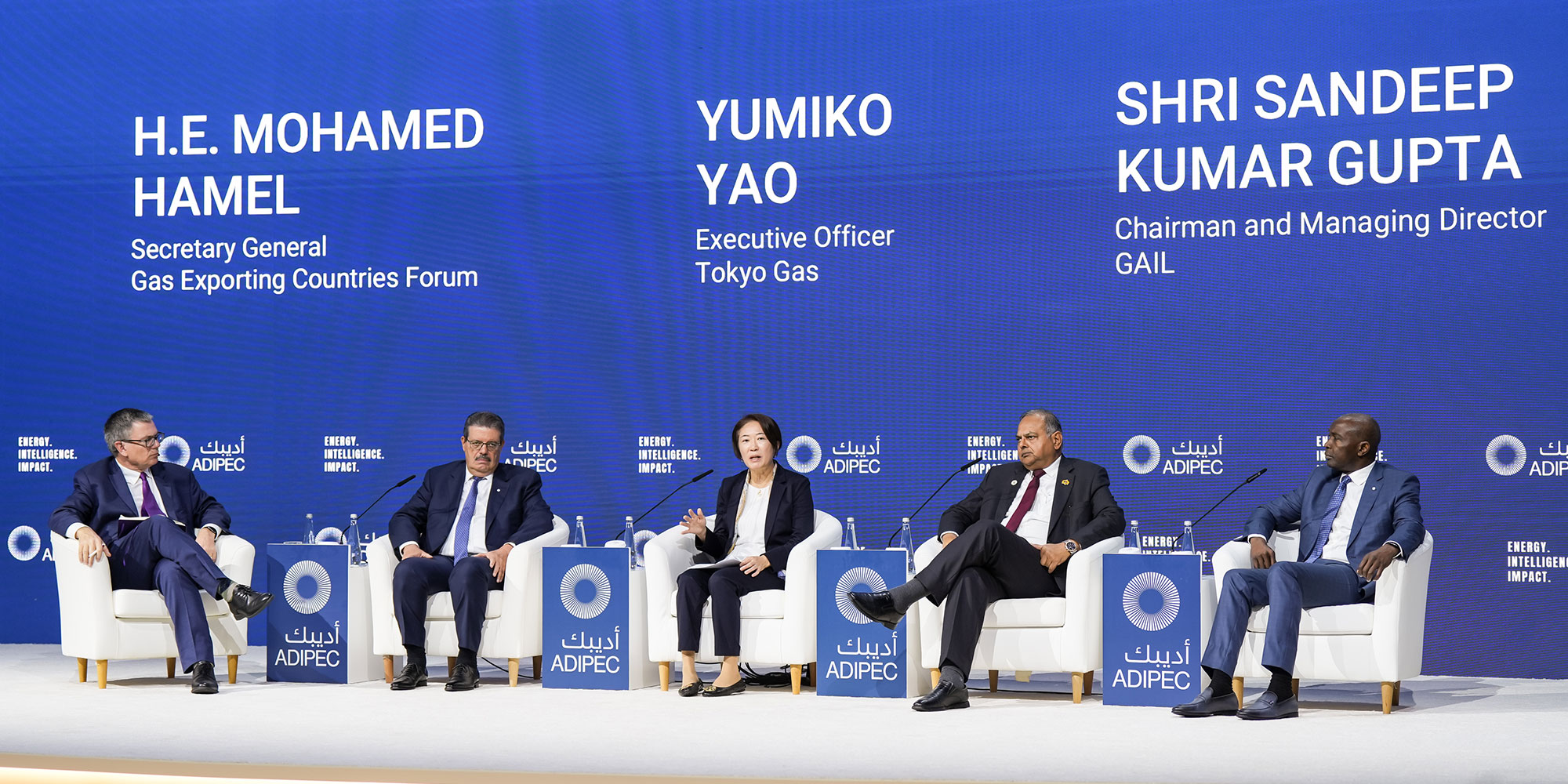
Natural gas and LNG continued to play a critical role in energy security, flexibility and global access, with infrastructure, investment and operational agility shaping the evolution of the sector.


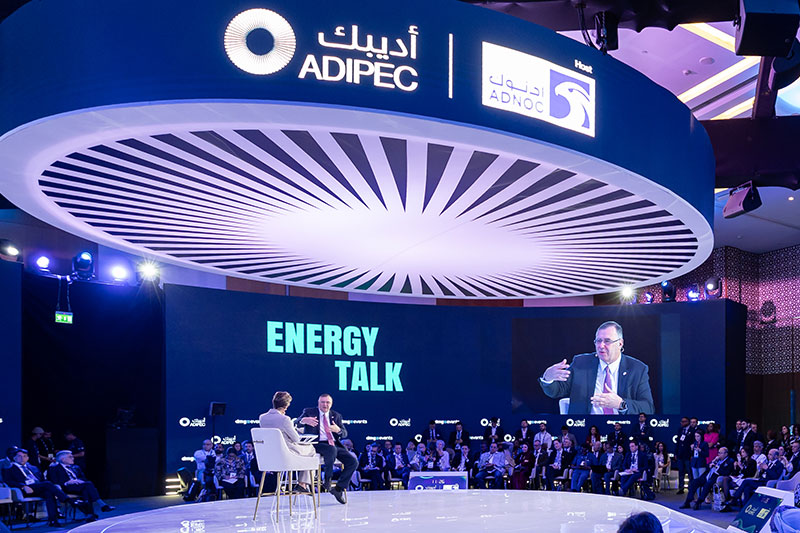
Sessions explored how bold investments and policy foresight reshaped energy resilience across geographies, technologies and timelines, reinforcing the role of strategic alignment in navigating complexity.
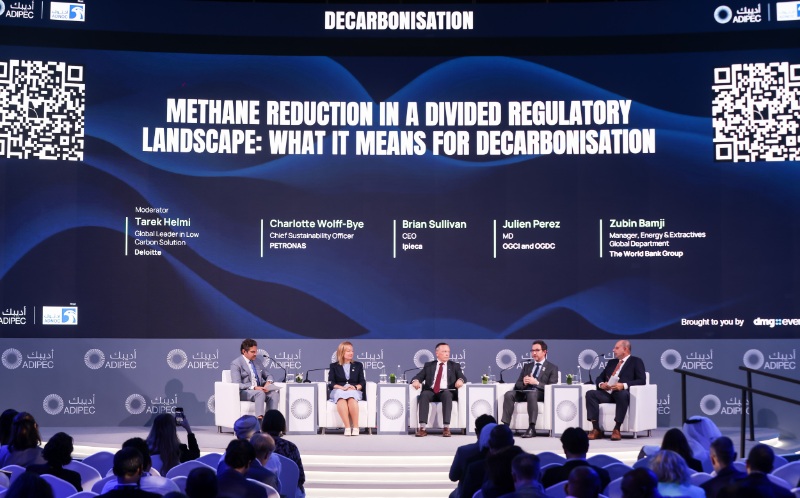
Explored real-world strategies that cut emissions while driving innovation, resilience and competitiveness across a complex and evolving energy landscape.
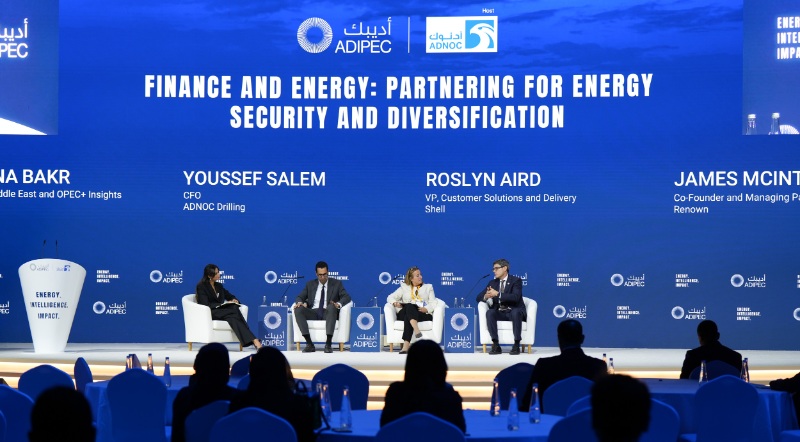
Examined how evolving markets, policy shifts and investor priorities shaped capital flows towards scalable, resilient energy solutions.
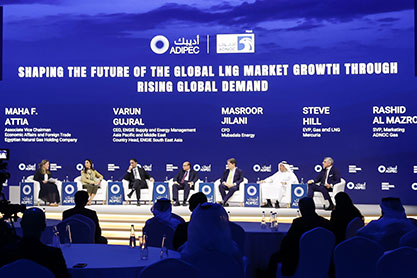
Explored the evolving role of gas and LNG in supporting global energy security, system flexibility and affordable, lower-emission growth.
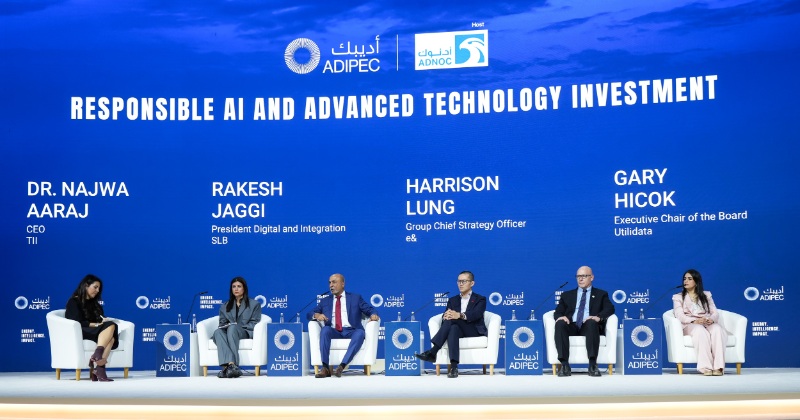
Showcased how AI and digitalisation enabled smarter systems, enhanced resilience and transformed operations across the energy value chain.
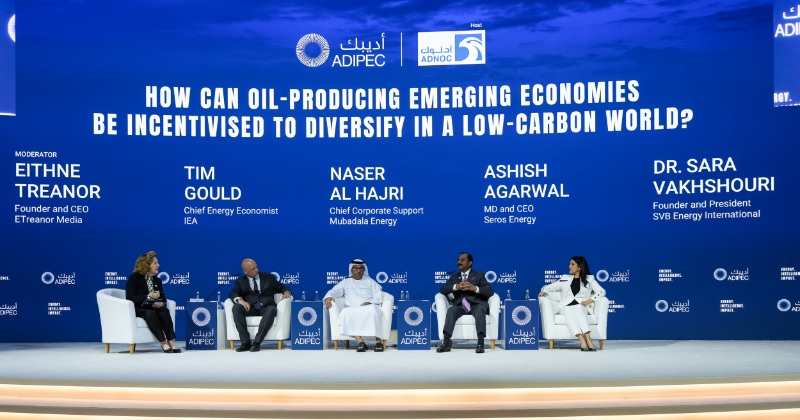
Highlighted how rising markets leveraged innovation, infrastructure and investment to reshape energy systems, trade and industrial competitiveness.
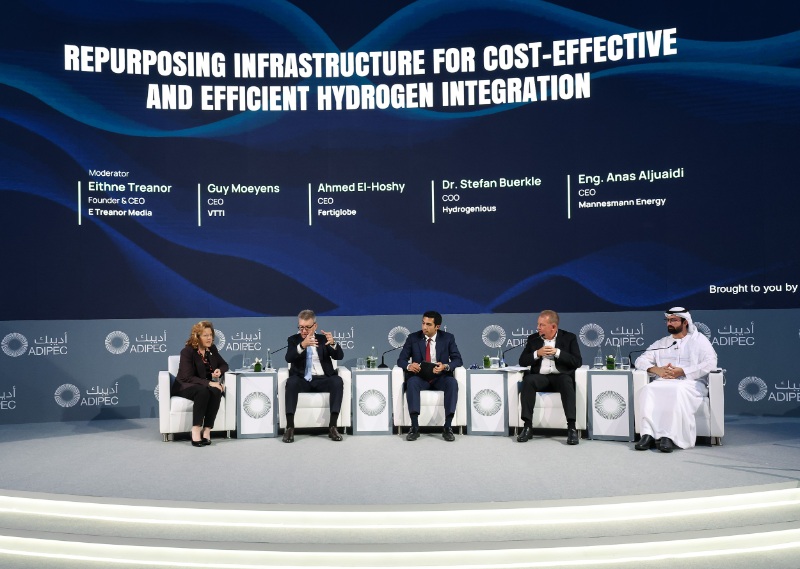
Demonstrated hydrogen’s role in advancing energy security and industrial decarbonisation, from project delivery to cross-border demand and infrastructure development.
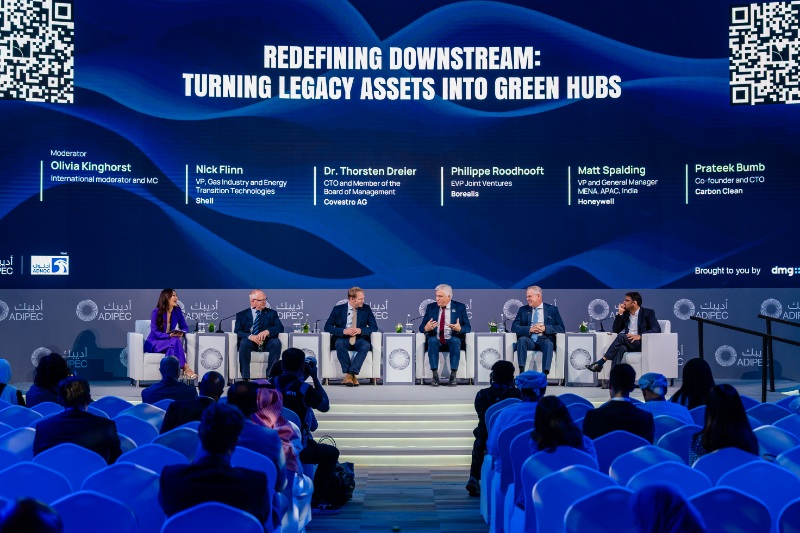
Explored how refiners and producers built agility through digital tools, circular platforms and evolving feedstock strategies.
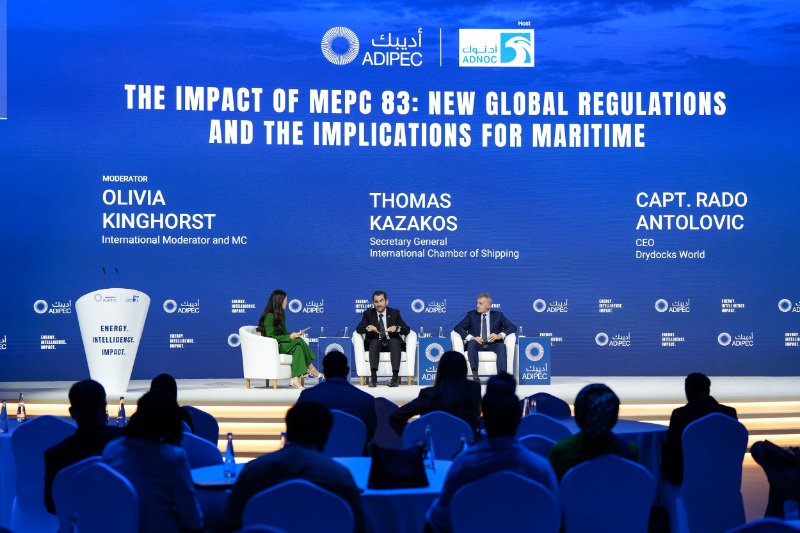
Showcased how shipping and ports evolved through new fuels, smart infrastructure and green investment to strengthen global supply resilience.
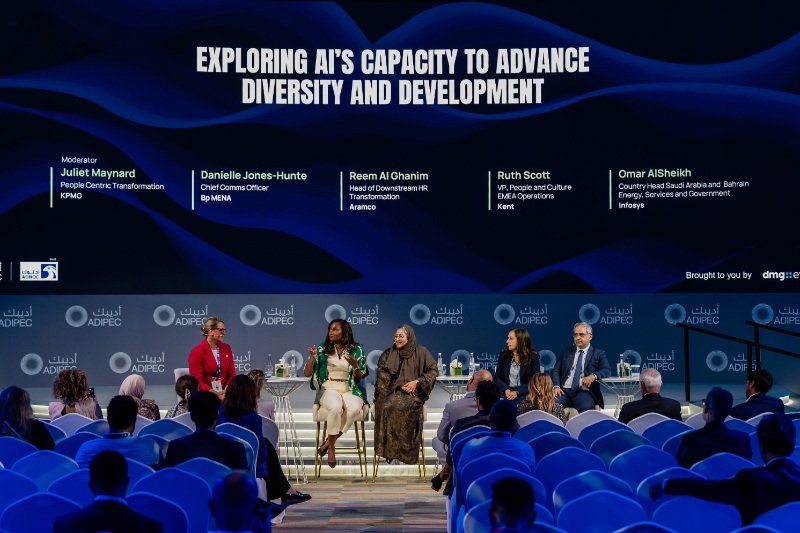
Spanning over 380 sessions, the ADIPEC Conferences will provide an inclusive stage for more than 1,800 speakers to address the most urgent global energy challenges.
C-suite executives, operators including gas producers and LNG, investors, governments, Gas producers, LNG suppliers, investors, policymakers, infrastructure planners, utilities, and energy security strategists.
Topics include global gas and LNG supply and demand forecasts, infrastructure development and investment, supply chain resilience and regional energy access.
Yes – the programme explores upstream gas production, LNG export capacity, shipping dynamics and commercial strategy.
Absolutely. The programme addresses gas as a bridging fuel and its role in supporting energy mix diversity, resilience and security.


dmg events is a global exhibitions and conferences organiser, with a portfolio of over 80 events focusing on diverse industries, from energy, construction and transport to design and hospitality. More than 425,000 visitors attend our events annually, creating opportunities to network, do business, overcome challenges and discover emerging industry opportunities.
Member of


